


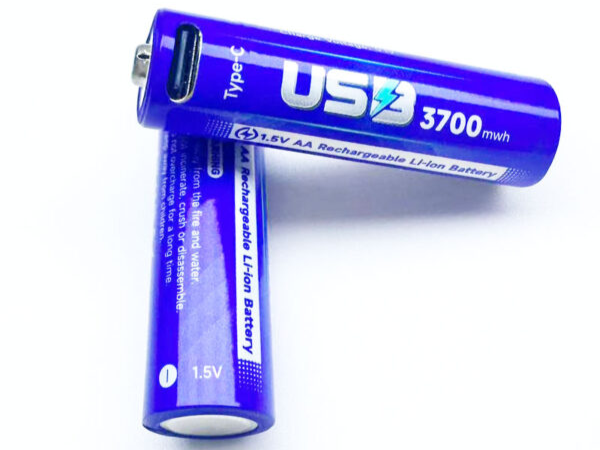
Patient safety depends on reliable medical technology every single second. Portable heart monitors track vital cardiac rhythms throughout the day. Consequently, these devices require a constant and stable power source. Most modern medical tools use rechargeable lithium ion 18650 batteries for energy. These cells offer high density and a very long life. 🏥
However, using multiple cells introduces a significant technical challenge. Specifically, individual cells can develop different voltage levels over time. This imbalance can lead to premature power failure or damage. Therefore, cell balancing is a mandatory requirement for medical gear. It ensures that every cell in the pack works together. Furthermore, it protects the patient from unexpected device shutdowns today. Let us explore the science of battery balance!
Understanding the Basics of Battery Cell Imbalance
Even identical batteries from the same factory can behave differently. Small variations in internal resistance cause these subtle changes.
How Voltage Drift Occurs
During charging, one cell might reach full capacity faster. Conversely, another cell might lag behind in its energy storage. Therefore, the “fast” cell becomes overcharged and very hot. Meanwhile, the “slow” cell remains undercharged and weak. Using rechargeable lithium ion 18650 batteries without balancing is quite risky. Specifically, it limits the total runtime of the heart monitor. The device only works as long as the weakest cell.
The Impact on Medical Precision
Heart monitors require a very clean and steady voltage. Unbalanced cells create fluctuations in the power delivery circuit. Consequently, the sensor might record inaccurate or “noisy” cardiac data. This can lead to a wrong diagnosis for the patient. Therefore, precise battery management is a life-saving necessity. It provides the “Expertise” needed for high-stakes medical monitoring. Reliable power ensures that every heartbeat is recorded correctly.
The Vital Role of Cell Balancing in Safety
Safety is the highest priority for any medical-grade battery. Unbalanced lithium cells can become unstable under heavy workloads.
-
Prevents Overheating: Balancing stops individual cells from reaching dangerous temperatures.
-
Avoids Over-Discharge: It prevents any single cell from dropping too low.
-
Extends Battery Life: Balanced packs last for significantly more charge cycles.
-
Maximizes Capacity: You can use 100% of the stored energy safely.
-
Improves Reliability: Reduces the chance of sudden, total power loss.
-
Protects Circuitry: Keeps the voltage within the safe operating limits.
Selecting certified 18650 lithium cells is the first step for engineers. Consequently, the device can operate for years without battery issues. This “Trustworthy” performance is essential for long-term patient care. Furthermore, it reduces the need for frequent battery replacements. Proper balancing turns a simple battery into a medical-grade tool.
Passive vs. Active Balancing for Heart Monitors
Engineers use two main methods to keep cells in sync. Both methods have specific benefits for portable medical equipment.
Passive Balancing: The Simple Solution
Passive balancing bleeds off excess energy from the strongest cell. Specifically, it uses resistors to turn extra voltage into heat. Therefore, it allows the weaker cells to catch up eventually. This method is cost-effective and very easy to implement. Consequently, many portable medical devices use passive balancing systems. It provides an “Authoritative” way to keep the pack healthy.
Active Balancing: The High-Efficiency Choice
Active balancing moves energy from strong cells to weak ones. Specifically, it uses complex circuits to redistribute the electrical charge. Therefore, it wastes almost zero energy during the balancing process. Consequently, the rechargeable lithium ion 18650 batteries last much longer. This is ideal for monitors that must run for 24 hours. It ensures maximum efficiency for critical life-support systems.

Enhancing Patient Confidence with Better Tech
Patients must trust that their monitor will never go dark. A balanced battery system provides this essential peace of mind.
-
Predictable Runtimes: Patients know exactly when to charge their device.
-
Longer Daily Use: Balanced cells provide more hours of active monitoring.
-
Faster Charging: Systems can charge more aggressively when balanced properly.
-
Lighter Devices: Efficient energy use allows for smaller battery packs.
-
Audit Logs: Smart systems record the health of each individual cell.
Managing these factors requires specialized rechargeable lithium ion 18650 batteries. Consequently, you create a stable environment for the cardiac patient. This proactive approach shows your expertise in medical hardware design. Furthermore, it builds a strong reputation for the monitor manufacturer. Success comes from small, daily improvements in battery engineering.
Overcoming Battery Degradation in the Field
All batteries eventually lose their ability to hold a charge. However, cell balancing slows this natural aging process down.
Reducing Chemical Stress on Cells
Unbalanced cells suffer from high chemical stress during every cycle. Therefore, they break down much faster than balanced battery pairs. Specifically, the “weak” cell is forced to work too hard. Consequently, the entire rechargeable lithium ion 18650 batteries pack fails early. Proper balancing ensures that the workload is shared equally. This protects the delicate internal chemistry of each lithium cell.
Maintaining Performance in Cold Weather
Cold temperatures can make cell imbalances even worse for patients. Therefore, the monitor’s battery management system must work harder in winter. Specifically, it should monitor voltage differences more frequently than usual. Consequently, the patient remains safe even in freezing outdoor environments. This proactive planning provides an “Authoritative” solution for global healthcare. It ensures that the heart monitor works everywhere, every time.
The Future of Medical Battery Management
The industry moves toward even smarter and safer power systems. The next generation of monitors will be incredibly advanced.
-
AI Diagnostics: Software that predicts cell failure weeks in advance.
-
Wireless Balancing: Moving energy between cells using magnetic induction.
-
Graphene Enhanced: 18650 cells that charge in under five minutes.
-
Cloud Monitoring: Doctors can see the battery health of their patients.
Investing in high-quality rechargeable lithium ion 18650 batteries prepares you. It provides the hardware for the next decade of care. Furthermore, it signals your commitment to high-quality medical safety standards. Better tech leads to better outcomes and much higher trust.
Powering the Heart with Precision
A balanced rechargeable lithium ion 18650 batteries system is mandatory. It provides the “Expertise” needed for a safe and accurate monitor. Focus on voltage stability, heat management, and cell health today. Furthermore, always prioritize medical-grade battery solutions for your devices.
Don’t let a simple battery error put a life at risk. Focus on professional-grade solutions to reach your peak safety goals. By selecting the right 18650 gear, you save lives. Take the first step toward better medical power and upgrade now!