



Choosing the right batterie rechargeable li-ion requires checking capacity, voltage, dimensions, cycle life, and safety documentation. For battery distributors, equipment manufacturers, and OEM buyers, the 18350 rechargeable lithium-ion cell offers a compact power option. This model provides a nominal voltage of three point seven volts and a rated capacity of eleven hundred milliampere-hours. Moreover, CE and RoHS documentation can support market requirements, while UN38.3 testing and material safety documentation address important shipping considerations. Therefore, buyers should match the cell to their device and procurement needs before ordering.
Start with Battery Dimensions and Device Compatibility
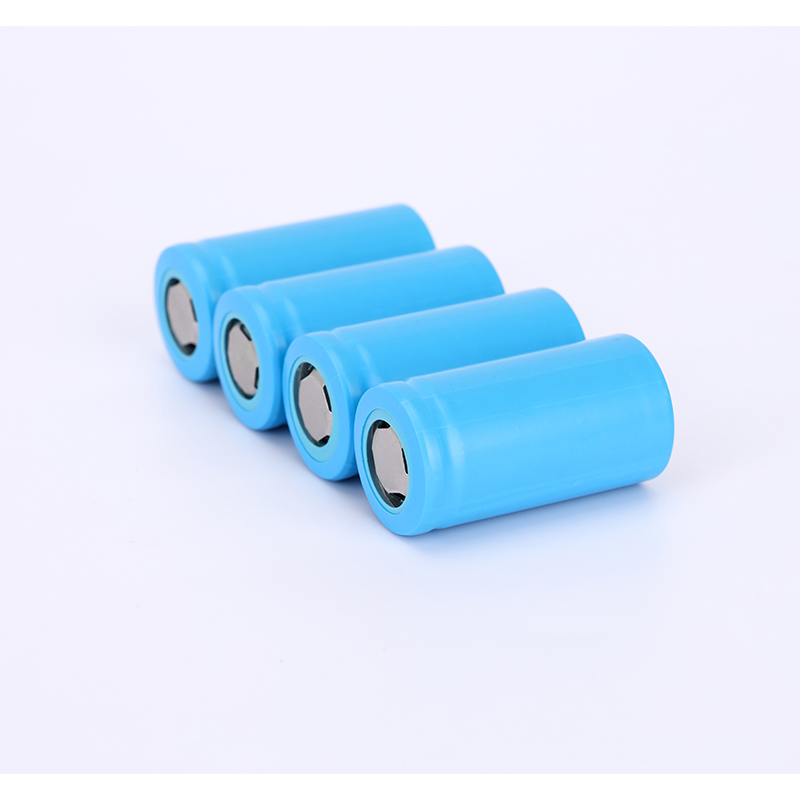
Compact devices often have limited battery compartments. Consequently, buyers should confirm the available space before selecting an 18350 rechargeable battery. The featured cell measures eighteen point two millimeters in diameter and thirty-five millimeters in length, with a stated dimensional tolerance of plus or minus zero point one millimeters.
Verify the Fit Before Mass Production
Check the battery holder, contact design, and required clearance. Also, confirm whether the device supports the selected cell’s chemistry and charging requirements. Small dimensional differences can affect assembly, particularly in compact portable equipment.
Explore Rechargeable Lithium-Ion Batteries to review battery formats for different device designs.
Match Capacity and Voltage to Power Requirements
Capacity influences how much charge a battery can store. However, actual runtime also depends on discharge current, device consumption, temperature, and battery condition. Therefore, do not estimate operating time from capacity alone.
Understand the Electrical Specifications
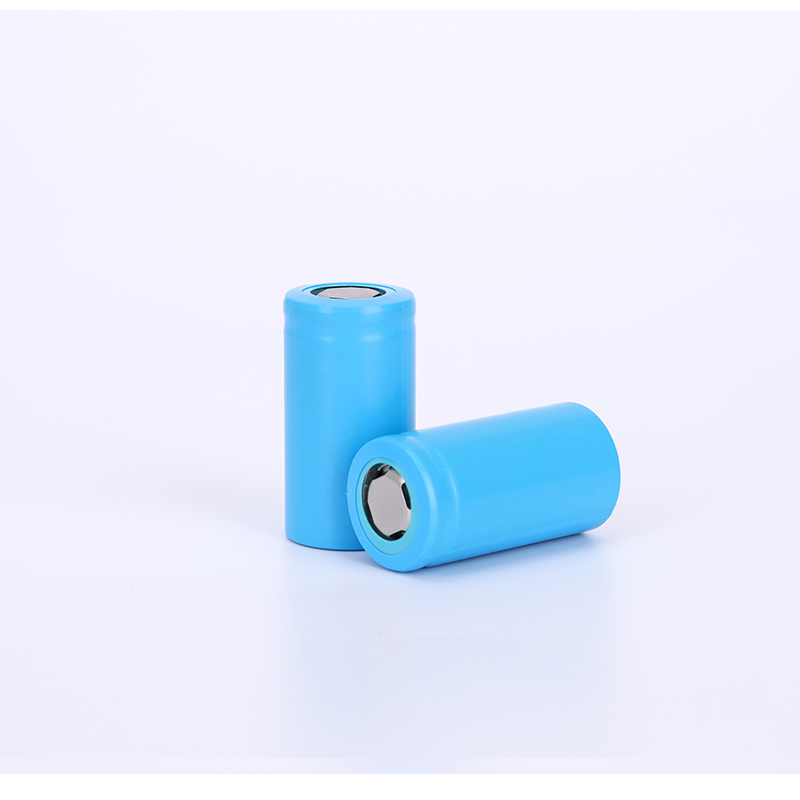
The featured 18350 cell offers eleven hundred milliampere-hours of rated capacity. Its stated voltage range runs from three point seven volts to four point two volts. Buyers should confirm the manufacturer’s definitions for nominal voltage and maximum charging voltage.
| Specification | Featured 18350 battery | Buyer consideration |
|---|---|---|
| Battery type | Rechargeable lithium-ion | Confirm chemistry compatibility |
| Model | 18350 | Match device requirements |
| Nominal voltage | Three point seven volts | Check equipment operating range |
| Stated voltage range | Three point seven to four point two volts | Verify charging limits |
| Capacity | Eleven hundred milliampere-hours | Evaluate load and runtime |
| Dimensions | Eighteen point two by thirty-five millimeters | Confirm tolerance and compartment fit |
| Cycle life | Three hundred cycles stated | Request test conditions and end-of-life criteria |
| Customization | Custom colors available | Confirm minimum order quantity |
| Documentation | CE, RoHS, UN38.3, and MSDS listed | Verify applicable documents and validity |
Evaluate Cycle Life and Manufacturing Consistency
For wholesale buyers, battery consistency affects product quality and service planning. The featured cell lists a cycle life of three hundred cycles. However, actual results depend on charging conditions, discharge depth, temperature, and testing methods.
Ask for Clear Quality Specifications
Before ordering, request capacity test results and relevant quality-control procedures. Also, clarify the cycle-life test conditions and the capacity-retention threshold. These details help procurement teams compare suppliers using consistent criteria.
A dependable supplier should explain material specifications, inspection methods, and batch traceability. Furthermore, stable production standards can support repeat orders and reduce avoidable variation in finished devices.
Read the Lithium-Ion Battery Technical Guide for guidance on battery compatibility, charging, and procurement checks.
Select the Right Battery for Your Application
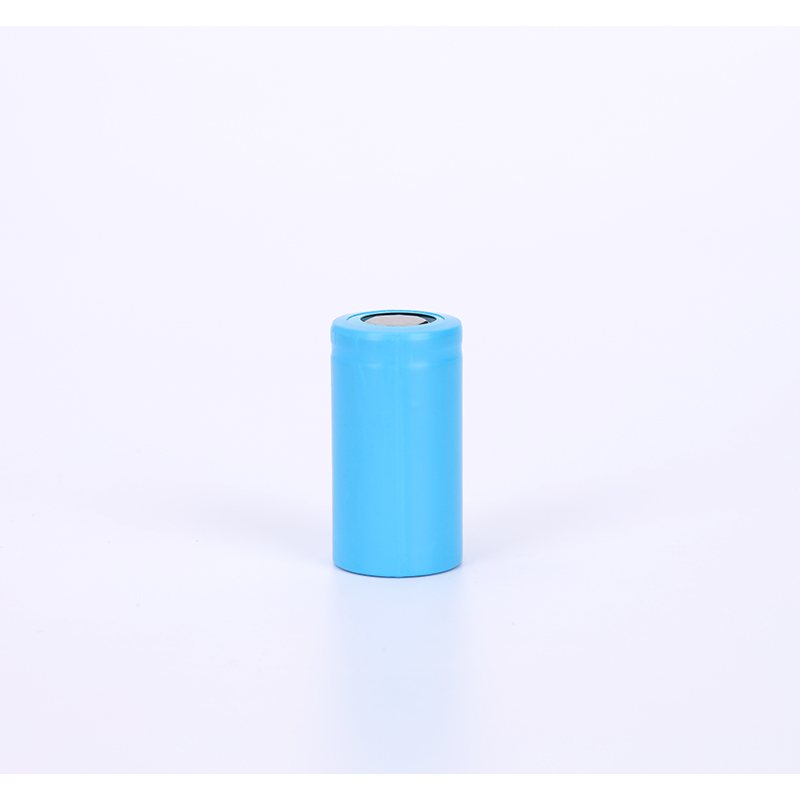
An 18350 rechargeable lithium-ion battery can suit compact devices that require a cylindrical power source. Nevertheless, each application has distinct electrical and environmental requirements.
- LED flashlights: Check discharge current and operating duration.
- Security equipment: Confirm standby requirements and charging arrangements.
- Cameras and recorders: Verify voltage compatibility and peak current demand.
- Smart home devices: Assess space limitations and expected operating patterns.
- Industrial instruments: Review temperature conditions and electrical specifications.
- Portable lighting: Match capacity with brightness and runtime targets.
For medical or safety-critical equipment, follow the equipment manufacturer’s approved battery specifications. In addition, validate the complete device system before commercial deployment.
Improve Wholesale Value with OEM Planning
Competitive battery sourcing involves more than unit price. Buyers should consider documentation, product consistency, packaging, and customization together. The featured model supports custom colors, which can help align products with brand requirements.
Confirm Commercial and Compliance Details
Before bulk production, discuss minimum order quantities, sample availability, lead times, and packaging. Also, request the applicable CE and RoHS documentation, UN38.3 test summary, and material safety data sheet. Confirm that each document matches the exact battery model and intended market.
These checks help distributors plan inventory and support customer requirements. Meanwhile, clear technical specifications make supplier quotations easier to evaluate.
Frequently Asked Questions
What does 18350 mean?
It identifies a cylindrical battery format. However, buyers should verify the actual dimensions because product specifications can vary.
Is eleven hundred milliampere-hours enough for my device?
It depends on the device’s power consumption and required runtime. Calculate expected demand and confirm the cell’s supported discharge current.
How many charging cycles does this battery support?
The product specification states three hundred cycles. Ask the supplier for the test method and end-of-life capacity threshold.
Which documents should importers request?
Request applicable CE and RoHS documents, UN38.3 shipping test documentation, and the material safety data sheet. Verify current validity and model coverage.
Can wholesale buyers customize the battery?
Custom colors are available according to the product description. Confirm minimum order quantities, branding options, packaging, and production lead times with the supplier.
For wholesale inquiries, request a quotation and technical datasheet. Confirm the cell’s electrical limits, documentation, and customization scope before placing a bulk order.