


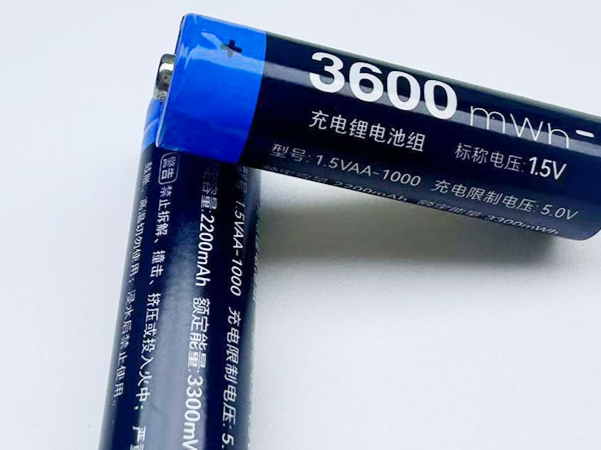
Lithium-ion technology powers our modern world in 2026. Specifically, the 3.7 v li-ion battery rechargeable cell is a global favorite. It offers high energy density for smartphones and drones. No entanto, this power comes with a specific safety risk.
Thermal runaway is the primary concern for many engineers. This chain reaction can lead to fire or explosions. Fortunately, you can prevent these dangerous events with proper care. This guide explains how to manage your high-capacity cells safely. We will help you understand the signs of battery failure.
What Is Thermal Runaway in Lithium-Ion Cells?
Thermal runaway occurs when a cell generates heat rapidly. Consequently, the internal temperature rises beyond a safe limit. This heat triggers more chemical reactions within the battery. As a result, the process becomes self-sustaining and uncontrollable.
If the heat cannot escape, the cell eventually vents. This venting often involves smoke, fire, or intense pressure. Therefore, understanding the triggers is the first step in prevention. You must protect your 3.7 v li-ion battery rechargeable units from extreme stress.

Common Causes of Battery Heat Buildup
Several factors can lead to a dangerous temperature spike. Most issues stem from mechanical or electrical abuse.
-
Internal Short Circuits: Physical damage can bridge the internal electrodes.
-
Overcharging: Pushing too much voltage causes lithium plating.
-
High Ambient Heat: External heat sources weaken the internal separators.
-
Manufacturing Defects: Tiny metallic impurities can cause localized hotspots.
Identifying these causes allows you to build better safety habits. Prevention is always better than dealing with a fire.
Step 1: Use a Reliable Battery Management System (BMS)
A BMS acts as the brain for your battery pack. It monitors every 3.7 v li-ion battery rechargeable cell in real-time. This system is your most important defense against failure.
Voltage Protection
The BMS prevents cells from exceeding their maximum voltage. Usually, this limit is 4.2 for a standard 3.7V cell. If the voltage goes too high, the BMS cuts the power. This prevents the chemical breakdown of the electrolyte.
Temperature Monitoring
Modern BMS units include sensitive thermal sensors. They track heat during both charging and discharging. If a cell gets too hot, the system throttles the output. This proactive cooling prevents the start of thermal runaway.

Step 2: Implement Proper Charging Protocols
Charging is the most sensitive phase for any lithium cell. Therefore, you must use a high-quality, dedicated charger.
Always match the charger’s output to the battery’s specifications. Cheap, uncertified chargers often bypass critical safety checks. Furthermore, avoid “ultra-fast” charging if the battery is already warm. High current generates significant internal resistance and heat.
Never leave your charging 3.7 v li-ion battery rechargeable cells unattended. If you notice an unusual smell, stop the process immediately. Proper charging habits significantly extend your battery’s life cycle.
Step 3: Manage Environmental Temperature
External heat is a major trigger for thermal runaway. Thus, you must store your batteries in a cool place. Avoid leaving devices in hot cars during the summer.
High temperatures accelerate the aging process of the separator. If the separator melts, an internal short circuit occurs instantly. Ideally, store your cells at $20^\circ\text{C}$ for maximum stability. Proper ventilation in your device also helps dissipate operational heat.
Step 4: Inspect for Physical Damage
Physical abuse often leads to internal battery failures. Even a small dent can compromise the cell’s integrity. Therefore, you should inspect your batteries regularly.
-
Check for Swelling: A “puffy” battery indicates gas buildup inside.
-
Look for Leaks: Any liquid or residue is a major red flag.
-
Inspect the Wrappers: Exposed metal can cause external short circuits.
If you find damage, stop using the battery immediately. You must dispose of it at a certified recycling center. Never throw a damaged 3.7 v li-ion battery rechargeable cell in the trash.
The Role of Solid-State Technology in the Future
Engineers are working on even safer battery designs for 2027. Solid-state batteries use a solid electrolyte instead of liquid. Consequently, they are much less likely to catch fire.
No entanto, the 3.7 v li-ion battery rechargeable cell remains the current standard. We must continue to follow strict safety protocols today. Technology improves, but user awareness is still the best safety tool. Stay informed about the latest battery handling guidelines.

Conclusion
Preventing thermal runaway requires a multi-layered approach. You must use a quality BMS and follow safe charging habits. Furthermore, keep your batteries cool and inspect them for damage.
A Li-ion battery rechargeable cell is a powerful and reliable tool. When treated with respect, it serves you safely for years. Do not take shortcuts with lithium-ion energy. Your safety and the longevity of your devices depend on it. Follow these steps to enjoy the full benefits of modern power.