

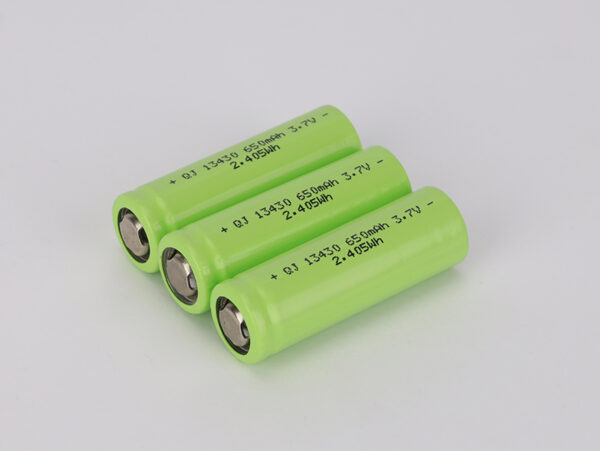
Artificial Intelligence is moving to the edge in 2026. This shift requires immense portable power. Engineers must balance performance with compact sizes. Do đó, the li ion rechargeable battery 3.7 volts format has become the global benchmark.
But why exactly did 3.7V win the race? Why not 1.5V or 12V? This standard offers the perfect chemistry for modern chips. It fuels everything from smart cameras to wearable health monitors. This guide explores the technical reasons behind this power choice. We help you understand the energy driving our AI future.
The Chemistry of Success: Why 3.7 Volts?
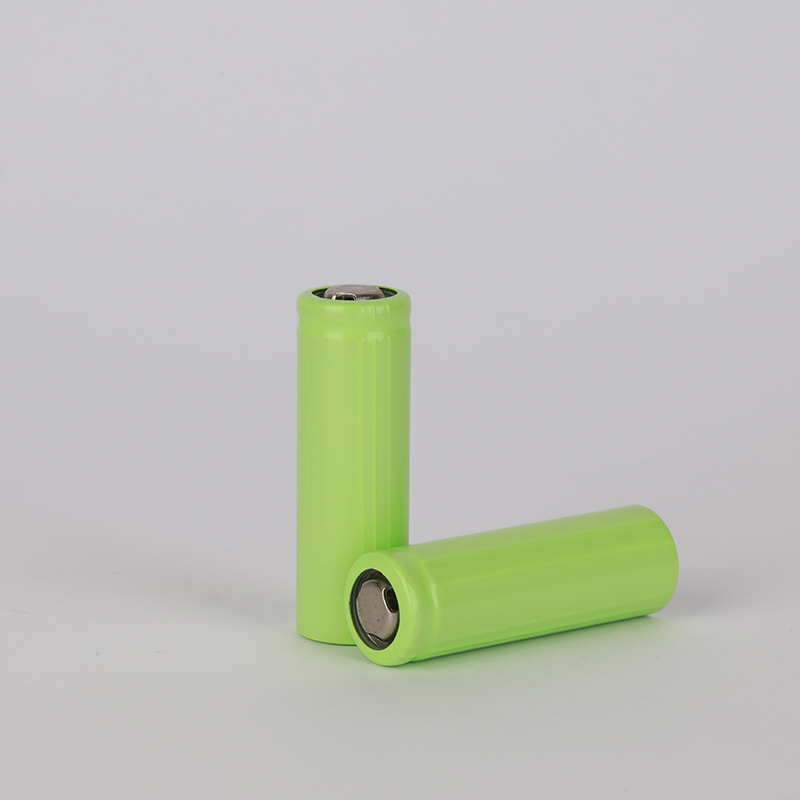
The voltage of a battery depends on its chemical makeup. Lithium-ion cells use a specific lithium cobalt oxide formula. This reaction naturally produces a nominal 3.7 volts.
Optimal Nominal Voltage
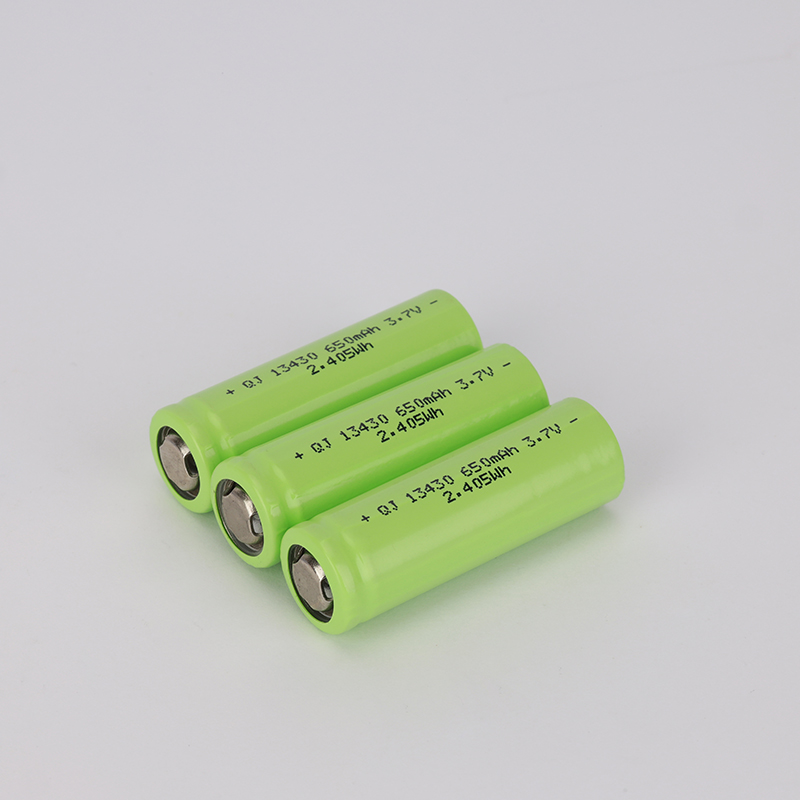
A li ion rechargeable battery 3.7 volts provides a steady discharge curve. It usually operates between 3.0V and 4.2V. This range aligns perfectly with modern silicon chips. Vì thế, engineers can design simpler power circuits. They do not need complex converters to run processors.
High Energy Density
Lithium is the lightest of all metals. Hơn nữa, it has the greatest electrochemical potential. This means a 3.7V cell packs more energy per gram. For AI edge devices, weight is a critical factor. You get more “brain power” without adding heavy bulk.
Powering AI at the Edge: Performance Requirements
AI edge devices perform complex math in real-time. This “inference” work consumes significant bursts of electricity.
-
Instant Peak Current: 3.7V cells handle high current surges easily.
-
Low Self-Discharge: These batteries stay charged for months when idle.
-
Long Cycle Life: Most cells last over 500 full charge cycles.
-
Thermal Stability: Advanced 3.7V packs resist overheating during AI tasks.
các 3.7 li ion rechargeable battery supports these high-demand needs. It ensures your device does not crash during Qdeep learning tasks. Consistency is the key to reliable edge computing.
Efficiency and Integration in Modern Circuitry
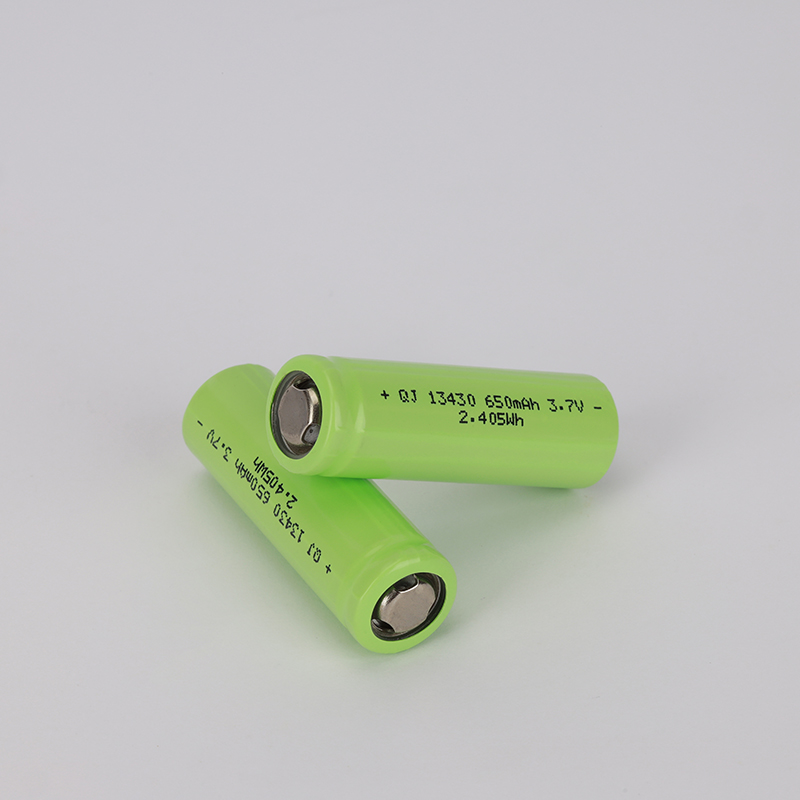
Modern electronics use 3.3V or 1.8V logic levels. A 3.7V source is very easy to step down.
Minimizing Energy Loss
Converting 3.7V to 3.3V is highly efficient. Ngược lại, converting 12V down wastes too much heat. Excessive heat can throttle the AI processor’s speed. Thus, the li ion rechargeable battery 3.7 volts keeps devices cool. It maximizes the “useful” energy from every single charge.
Reducing Component Count
Simpler voltage regulation means fewer physical parts. This lowers the total cost of the device. It also leaves more room for sensors and antennas. Manufacturers prefer the 3.7V standard for its design flexibility. It simplifies the entire supply chain for global electronics.
Safety Standards and Charging Infrastructure
Safety is a top priority for any rechargeable system. The 3.7V ecosystem is mature and highly regulated.
-
Standardized Protection: Most 3.7V packs include built-in PCM boards.
-
Universal Charging: USB-C charging relies on the 3.7V lithium standard.
-
Global Shipping: Airlines have clear rules for 3.7V lithium batteries.
-
Wide Availability: Finding replacement 3.7V cells is incredibly easy.
Using a li ion rechargeable battery 3.7 volts reduces manufacturing risk. You benefit from decades of safety testing and refinement. This protects your brand and your end-users.
The Role of 3.7V in IoT and Smart Sensors
Internet of Things (IoT) devices often live in remote areas. They must survive on one charge for a long time.
The 3.7V platform supports advanced “sleep modes” perfectly. This allows the AI to wake up only when needed. It then processes data and goes back to sleep. This cycle requires a battery that recovers voltage quickly. The li ion rechargeable battery 3.7 volts excels at this task. It provides the endurance needed for years of remote operation.
Comparing 3.7V to Other Battery Chemistries
How does 3.7V lithium compare to older NiMH or Lead-Acid tech?
-
Versus NiMH (1.2V): Lithium offers three times the voltage per cell.
-
Versus Alkaline (1.5V): Lithium is rechargeable and lasts much longer.
-
Versus Lead-Acid: Lithium is 70% lighter for the same capacity.
The li ion rechargeable battery 3.7 volts wins on every metric. It is the most efficient way to power mobile intelligence. No other chemistry offers this specific balance of traits.
Future Trends: Beyond 3.7 Volts?
Will we see a new standard by 2030? Some companies are testing solid-state batteries today.
Tuy nhiên, the 3.7V infrastructure is too large to ignore. Even new chemistries often mimic the 3.7V discharge profile. This ensures compatibility with existing AI hardware and chargers. Vì thế, the li ion rechargeable battery 3.7 volts will remain king. It is a stable foundation for the next decade of tech.
The Backbone of the AI Revolution
In summary, 3.7V lithium is the heart of the edge. It offers the best density and circuit efficiency. It also provides the safety and reliability AI demands.
Choosing the right power source is a strategic move. các Qianjing li ion rechargeable battery enables smaller, smarter devices. It drives innovation across every industry on the planet. Protect your AI investment with the global battery standard. The future of intelligence is mobile, light, and 3.7V.