


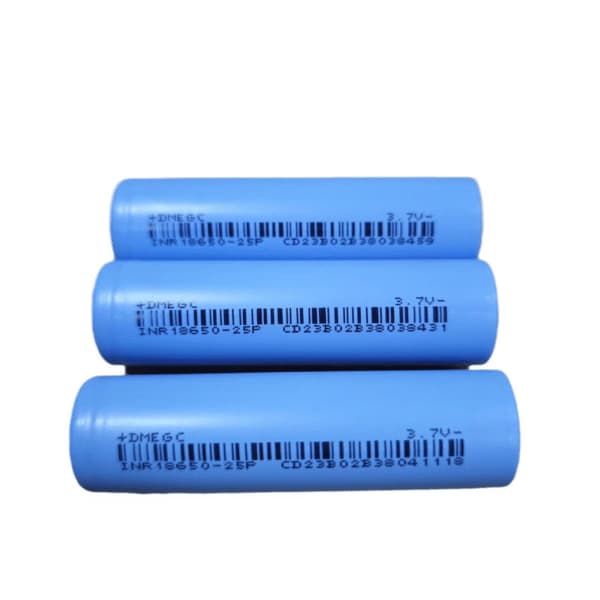
3.7 فولت 18650 تعمل بطارية الليثيوم أيون القابلة لإعادة الشحن على تشغيل العديد من الأجهزة الحديثة. تجدهم في مشاعل, vapes, وأجهزة الكمبيوتر المحمولة. لكن, هذه البطاريات حساسة لبيئتها. عادات التخزين السيئة يمكن أن تقتلهم بسرعة كبيرة. التخزين السليم هو سر القوة طويلة الأمد. يستكشف هذا الدليل كيفية حماية استثمارك. سنركز على درجة الحرارة, مستويات الشحن, والسلامة. يمكنك مضاعفة عمر بطاريتك اليوم.
أهمية العناية المناسبة بالبطارية
تستخدم بطاريات الليثيوم تفاعلات كيميائية معقدة لكي تعمل. تستمر ردود الفعل هذه حتى في حالة عدم الاستخدام. الحرارة العالية أو التفريغ العميق يسبب ضررا دائما. بالتالي, تفقد القدرة وانتاج الطاقة. التخزين الصحيح يبطئ عملية الشيخوخة الكيميائية. فهو يضمن بقاء أجهزتك جاهزة للعمل.
لماذا تعتبر بيئة التخزين أكثر أهمية؟
البيئة هي القاتل الأول لخلايا الليثيوم. الرطوبة والحرارة تخلق ضغوطًا داخلية خطيرة. يؤدي هذا الضغط إلى حدوث تسربات أو حتى حرائق. لذلك, يجب عليك اختيار مكان التخزين الخاص بك بحكمة. رائع, المكان الجاف هو الأفضل دائمًا. تمنع هذه الخطوة البسيطة حالات فشل البطارية الأكثر شيوعًا.
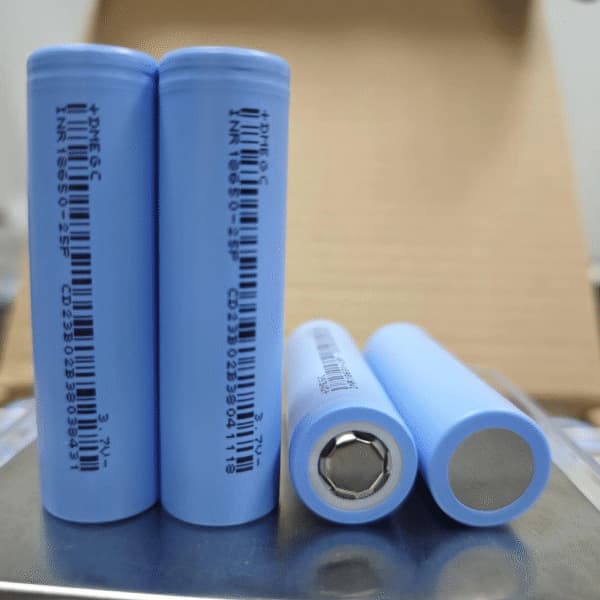
إرشادات التخزين الفنية لـ 18650 الخلايا
تنطبق قواعد فنية محددة على تخزين أيونات الليثيوم. إن اتباع هذه الخطوات يضمن بقاء بطارياتك سليمة.
مستويات شحن مثالية للتخزين على المدى الطويل
لا تقم أبدًا بتخزين البطارية في 100% تكلفة. وهذا يضع ضغطًا كبيرًا على الكيمياء الداخلية. على العكس من ذلك, أ 0% تهمة يؤدي إلى “التفريغ العميق.” وهذا قد يجعل من المستحيل إعادة شحن البطارية. المكان الجميل موجود 40% ل 50% سعة. ويحافظ هذا التوازن على استقراره لعدة أشهر.
التحكم في درجة الحرارة وتأثيراتها
تعمل الحرارة على تسريع التحلل الكيميائي في خلايا الليثيوم. كل ارتفاع 10 درجات يضاعف معدل الشيخوخة. من الناحية المثالية, قم بتخزين البطاريات في درجة حرارة الغرفة أو أقل. نطاق من 15 درجة مئوية إلى 25 درجة مئوية مثالي. تجنب تخزينها في السيارات الساخنة أو المرائب. البرد أفضل من الحرارة, ولكن تجنب التجميد.
الرطوبة وحماية الرطوبة
يمكن أن تؤدي الرطوبة إلى تآكل أطراف البطارية بمرور الوقت. التآكل يخلق المقاومة ويقلل من الكفاءة. لذلك, استخدم حاويات محكمة الإغلاق للتخزين على المدى الطويل. تعد إضافة عبوة هلام السيليكا خطوة ذكية. وهذا يحافظ على الهواء الداخلي جافًا وآمنًا تمامًا.
ملخص لظروف التخزين المثلى
كيف تؤثر العوامل المختلفة على صحة بطاريتك? يلخص هذا الجدول أفضل الممارسات بالنسبة لك.
| عامل التخزين | حالة مثالية | تأثير الحالة السيئة |
| مستوى الشحن | 40% – 50% شركة نفط الجنوب | فقدان القدرة / الموت الدائم |
| درجة حرارة | 15درجة مئوية – 25درجة مئوية | الشيخوخة السريعة / خطر الحريق |
| رطوبة | أقل 50% | التآكل الطرفي / تسرب |
| حاوية | صندوق غير موصل | دوائر قصيرة / الأضرار الجسدية |
كما هو مبين, التوازن هو مفتاح النجاح. 3.7V الخاص بك 18650 تحتاج بطارية الليثيوم أيون القابلة لإعادة الشحن إلى رعاية. التغييرات الصغيرة تؤدي إلى نتائج أفضل بكثير على المدى الطويل.
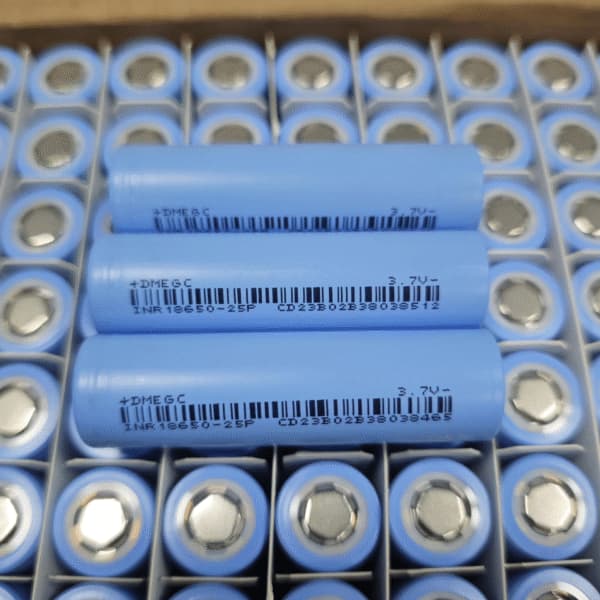
السلامة أولا: تخزين بطاريات الليثيوم بشكل صحيح
يجب أن تكون السلامة على رأس أولوياتك أثناء التخزين. تحتوي هذه البطاريات على الكثير من الطاقة بداخلها.
استخدام حافظات البطارية المخصصة
لا تدع البطاريات العارية تلمس بعضها البعض أبدًا. يمكن أن تتسبب الأجسام المعدنية مثل المفاتيح في حدوث دوائر قصيرة. وهذا يؤدي إلى ارتفاع درجة الحرارة السريعة والانفجارات المحتملة. استخدم البلاستيك دائمًا, حالات بطارية غير موصلة للتخزين. فهي رخيصة الثمن وتوفر حماية بدنية ممتازة. [تصفح خيارات حالة الحماية لدينا] لجميع الأحجام.
منع التأثير الجسدي والقطرات
يمكن أن تتعرض البطارية المسقطة لأضرار هيكلية داخلية. قد لا يكون هذا الضرر مرئيًا من الخارج. لكن, فإنه يخلق خطر حريق داخلي خطير. تخزين الحالات الخاصة بك على مستوى منخفض, رفوف مستقرة. تجنب تكديسها في أكوام عالية أو غير مستقرة. السلامة تستحق دائمًا الجهد الإضافي.
أكياس وصناديق تخزين مقاومة للحريق
للمجموعات الكبيرة, استخدم أكياس LiPo المقاومة للحريق. تحتوي هذه الأكياس على النيران في حالة فشل الخلية. أنها توفر طبقة حيوية من الحماية المنزلية. يستخدم العديد من المحترفين علب الذخيرة المعدنية للتخزين. فقط تأكد من أن الجزء الداخلي مبطن بالعزل. وهذا يمنع المعدن من لمس أطراف البطارية.
الصيانة الروتينية أثناء التخزين
التخزين ليس أ “تعيين وننسى” مهمة. يجب عليك فحص خلاياك كل بضعة أشهر.
فحص الجهد الدوري
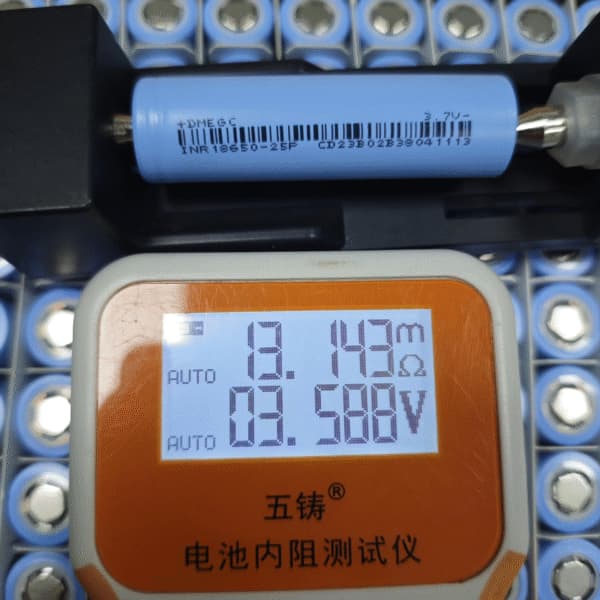
تفقد البطاريات شحنها ببطء مع مرور الوقت في التخزين. وهذا ما يسمى “التفريغ الذاتي.” تحقق من جهد خلاياك كل ثلاثة أشهر. إذا انخفض الجهد منخفضًا جدًا, إعادة شحنه. إعادته إلى 50% مستوى التخزين. وهذا يمنع البطارية من الدخول إلى “ميت” ولاية.
التفتيش على التسريبات أو التورم
ابحث عن أي تغييرات مادية في البطاريات الخاصة بك. التورم هو علامة على تراكم الغاز الداخلي. إذا بدت البطارية “سمين,” التوقف عن استخدامه. تظهر التسريبات على شكل بقع بيضاء قشرية على الأطراف. تخلص من البطاريات التالفة في مركز إعادة التدوير. لا تقم أبدًا بإلقاء بطاريات الليثيوم في سلة المهملات العادية.
عزز مستقبلك بعناية
تعظيم عمر البطارية هو أمر بسيط, عملية مجزية. لك 18650 بطارية ليثيوم أيون قابلة للشحن يمكن أن تستمر لسنوات. فقط تذكر 50% قاعدة الشحن والبقع الرائعة. استخدم الحالات البلاستيكية لمنع حدوث دوائر قصيرة خطيرة. افحص خلاياك كل ثلاثة أشهر للتأكد من صحتها.
لا تدع البطاريات باهظة الثمن تذهب سدى. ابدأ روتين التخزين الجديد الخاص بك اليوم للحصول على نتائج أفضل. ستوفر المال وتقلل من النفايات الإلكترونية. يضمن التخزين الآمن أن تكون معداتك جاهزة دائمًا. الرعاية المناسبة هي علامة المهنية. تواصل معنا للحصول على مزيد من النصائح حول البطارية! سوف تشكرك أجهزتك على فترات تشغيل أطول. كم عدد البطاريات التي تحتاج إلى تخزينها?