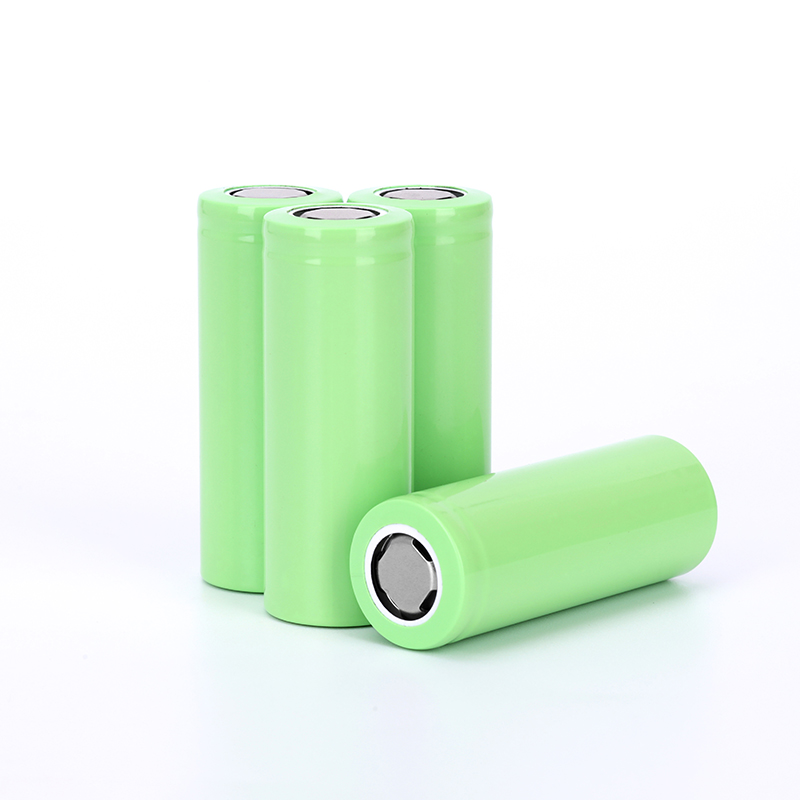


Compact electronic products need efficient and reliable power solutions. Rechargeable lithium batteries offer reusable energy storage and flexible integration. Their compact structures suit many portable electronic applications.
However, selecting suitable batteries requires careful consideration. Manufacturers must evaluate installation space, voltage requirements, and operating conditions.
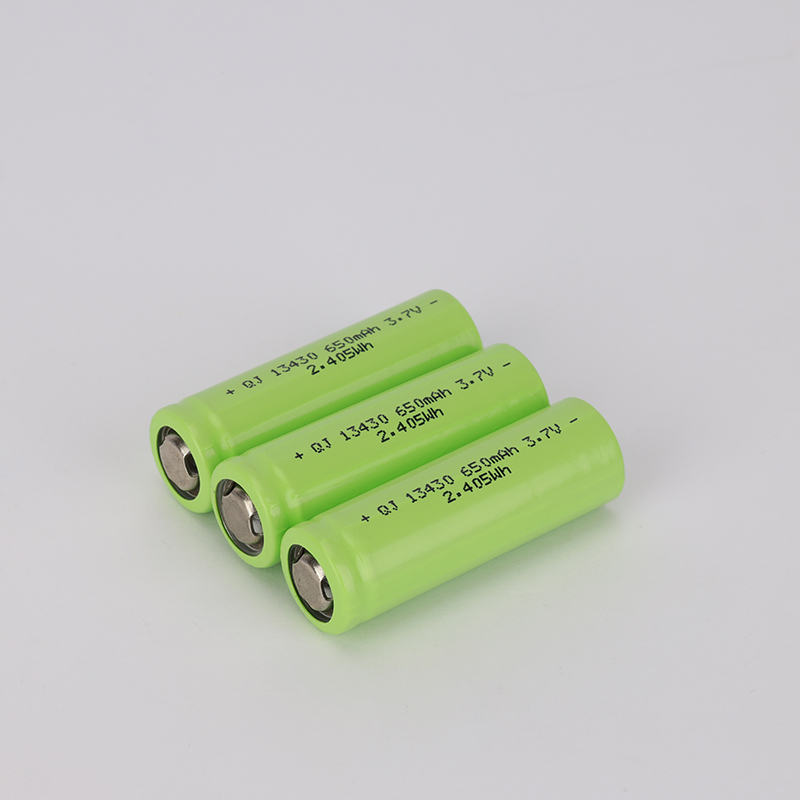
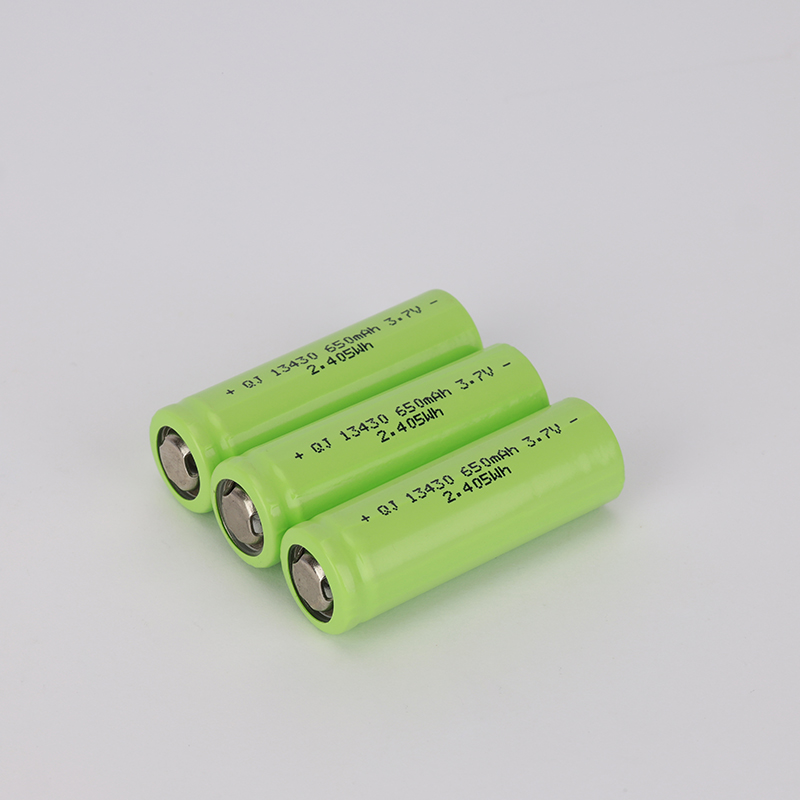
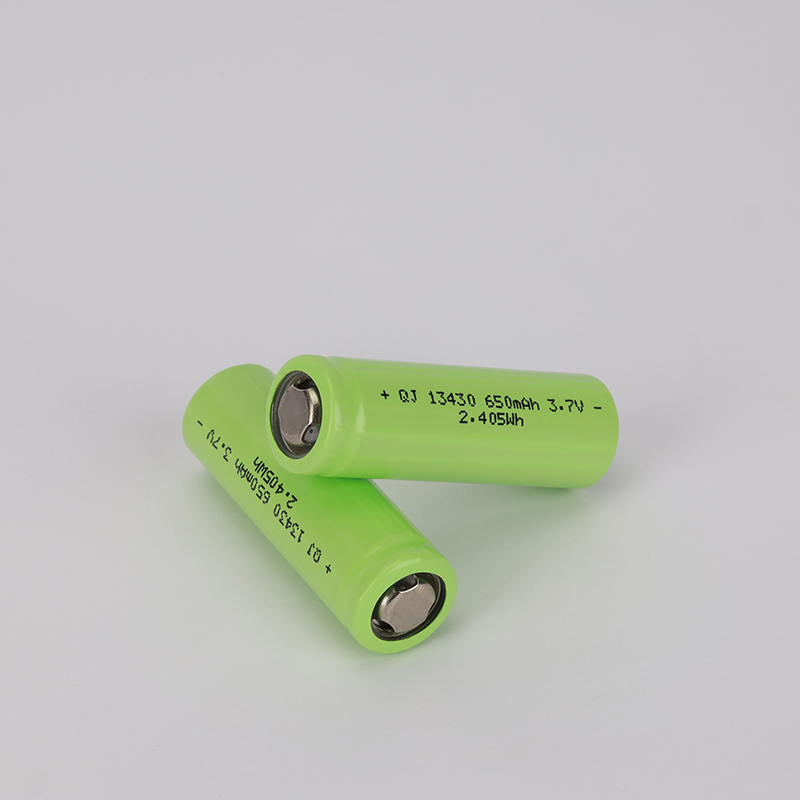
The 13430 cylindrical lithium battery offers a practical solution. It combines compact dimensions with a capacity of 650 milliampere-hours. Therefore, it suits various small electronic products.
How Do Battery Dimensions Affect Compact Device Design?
Space management remains important during electronic product development. Designers must accommodate circuits, connectors, and battery components.
Why Choose Compact Cylindrical Lithium Batteries?
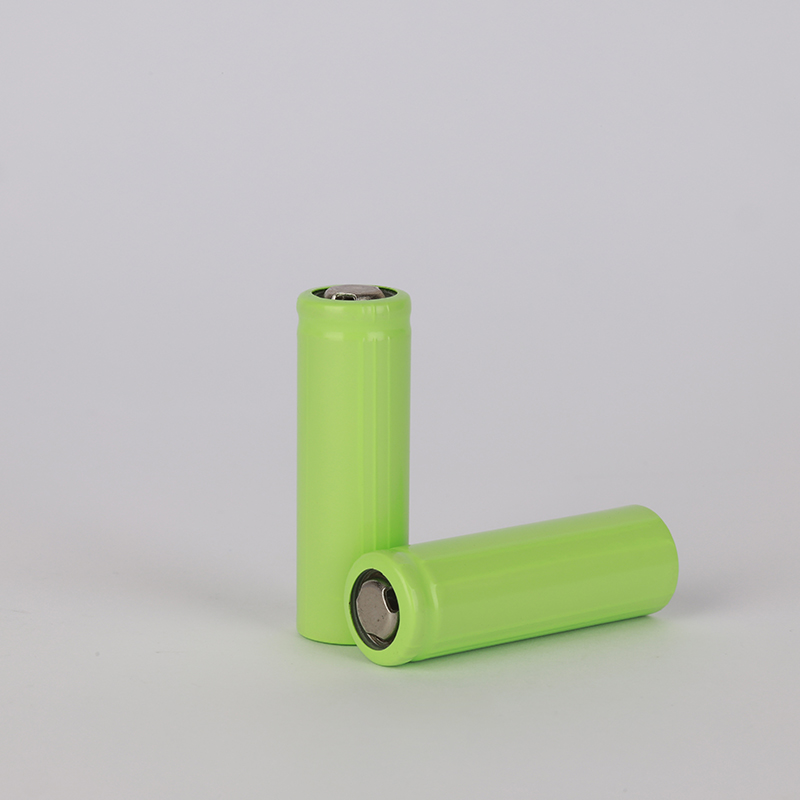
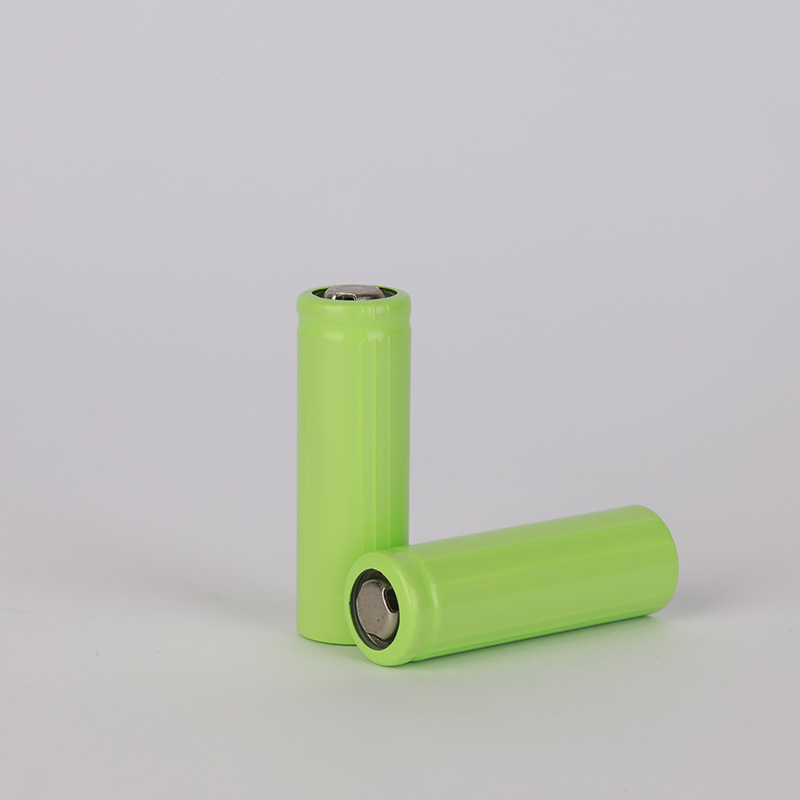
The 13430 battery measures 13.6 by 43 millimeters. Its cylindrical structure provides a defined installation profile.
Additionally, its compact construction supports portable equipment designs. Manufacturers can consider these compact rechargeable batteries for space-conscious applications.
However, designers should evaluate the complete battery assembly. Connectors and protection circuits also require sufficient installation space.
A suitable rechargeable lithium battery helps manufacturers optimize internal layouts. It also provides flexibility during product development.
How Do Rechargeable Lithium Batteries Support Different Applications?
Different electronic products have different power requirements. Therefore, battery selection should follow actual equipment specifications.
Is a 650 Milliampere-Hour Battery Suitable for Small Electronics?
The 13430 cell provides 650 milliampere-hours of capacity. Its nominal voltage reaches 3.7 volts.
These specifications support selected compact electronic applications. For example, wearable devices need space-efficient power sources.
Bluetooth accessories also benefit from compact battery configurations. Meanwhile, IoT sensors require suitable energy solutions.
Common applications include:
- Wearable Electronics: Smart bands and compact accessories.
- Bluetooth Devices: Portable audio equipment and wireless products.
- Medical Electronics: Compatible portable healthcare devices.
- IoT Sensors: Compact monitoring and connected modules.
- Handheld Gadgets: Small electronic tools and portable products.
A suitable rechargeable lithium battery helps balance device dimensions and power requirements.
What Ensures Stable Battery Operation?
Battery performance depends on electrical design and operating conditions. Therefore, manufacturers should evaluate charging requirements early.
Which Protection Features Should Engineers Consider?
The 13430 cell has a nominal voltage of 3.7 volts. Its specified voltage range reaches 3.7 to 4.2 volts.
Engineers should match charging circuits with battery specifications. They should also consider overcharge and over-discharge protection.
Short-circuit protection provides another important safety measure. Additionally, suitable wiring supports reliable electrical connections.
The product includes built-in protection features. However, manufacturers should verify the complete protection configuration.
These considerations help rechargeable lithium batteries support consistent device operation.
Which Technical Specifications Matter During Integration?
Battery selection should follow actual equipment requirements. Therefore, manufacturers should review essential specifications before finalizing designs.
How Does the 13430 Battery Match Different Requirements?
| Technical Item | Product Specification | Design Consideration |
|---|---|---|
| Battery Model | 13430 | Cylindrical installation |
| Nominal Voltage | 3.7 volts | Circuit compatibility |
| Voltage Range | 3.7–4.2 volts | Charging configuration |
| Capacity | 650 milliampere-hours | Energy requirements |
| Dimensions | 13.6 by 43 millimeters | Internal space |
| Cycle Life | Approximately 300 cycles | Usage planning |
| Battery Chemistry | Lithium-ion | Charging compatibility |
| Certifications | CE, RoHS, UN38.3, MSDS | Documentation requirements |
These specifications provide a starting point for product evaluation. Actual performance depends on equipment design and operating conditions.
Moreover, manufacturers should confirm relevant certification documents. This supports product development and transportation preparation.
Can Customized Lithium Batteries Support OEM Projects?
Different electronic products require different electrical connections. Therefore, customization can improve equipment compatibility.
Which Customization Options Can Manufacturers Discuss?
The 13430 battery supports customized colors and connector types. Buyers can also discuss capacity and dimensional requirements.
For OEM projects, early technical communication matters. Manufacturers can review proposed configurations and application requirements.
Furthermore, customized connectors can simplify assembly planning. They also help align battery specifications with production needs.
These flexible options make custom rechargeable lithium batteries suitable for different manufacturing projects.
Explore our Rechargeable Lithium Battery Product Range for more battery solutions.
How Can Manufacturers Improve Battery Integration Efficiency?
Successful integration requires coordination between battery suppliers and equipment designers. Therefore, manufacturers should prepare technical information before production.
What Information Should Buyers Provide?
First, share the available battery installation space. Next, provide voltage and capacity requirements.
Additionally, identify connector preferences and charging configurations. Explain the device’s expected operating conditions.
These details help suppliers evaluate technical feasibility. They also reduce unnecessary adjustments during development.
For larger projects, sample evaluation offers another useful step. Buyers can check dimensions and electrical compatibility before production.
Visit our Technical Guide for more information about lithium battery applications and selection.
Frequently Asked Questions
Q1: What devices use rechargeable lithium batteries?
Wearables, Bluetooth devices, IoT sensors, and compatible medical electronics are common applications.
Q2: What is the capacity of the 13430 battery?
It provides 650 milliampere-hours of nominal capacity.
Q3: Can manufacturers customize battery connectors?
Yes. Buyers can discuss connector configurations and other customization requirements.
Q4: How many charging cycles does this battery support?
Its stated cycle life reaches approximately 300 cycles. Actual results depend on operating conditions.
Q5: Does the battery include protection features?
Yes. The product includes protection against overcharge, over-discharge, and short circuits.
Power Compact Electronics with Reliable Battery Solutions
Choosing suitable rechargeable lithium batteries supports efficient electronic product development. The 13430 cell combines compact dimensions and practical capacity.
Furthermore, customization options support different integration requirements. For manufacturers and distributors, consistent quality matters alongside competitive pricing.
Contact our team to discuss battery specifications, OEM customization, and wholesale cooperation.