

Choosing the best rechargeable batteries requires careful evaluation of quality, energy output, cycle life, and customization. For OEM buyers, rechargeable lithium cells must match device requirements and commercial goals. Therefore, selecting the right factory involves more than comparing quotations. A qualified supplier helps businesses maintain product consistency while controlling purchasing costs.

How Do You Match Rechargeable Batteries to Device Requirements?
Different devices require different power characteristics. Flashlights, toys, and radios may have distinct operating times and current demands. Consequently, buyers should evaluate the battery’s voltage, rated energy, charging method, and physical format.
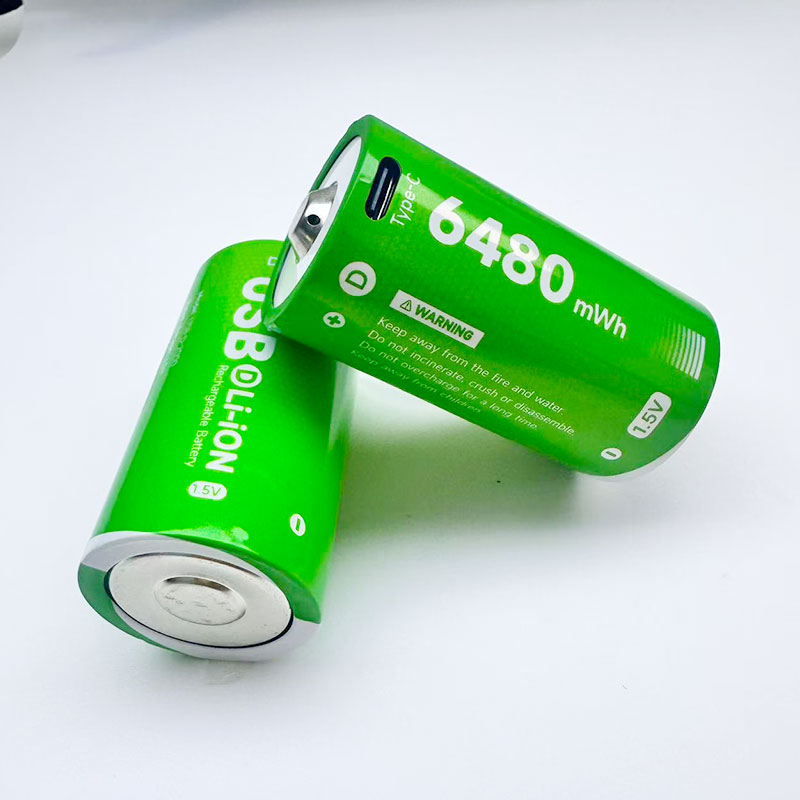
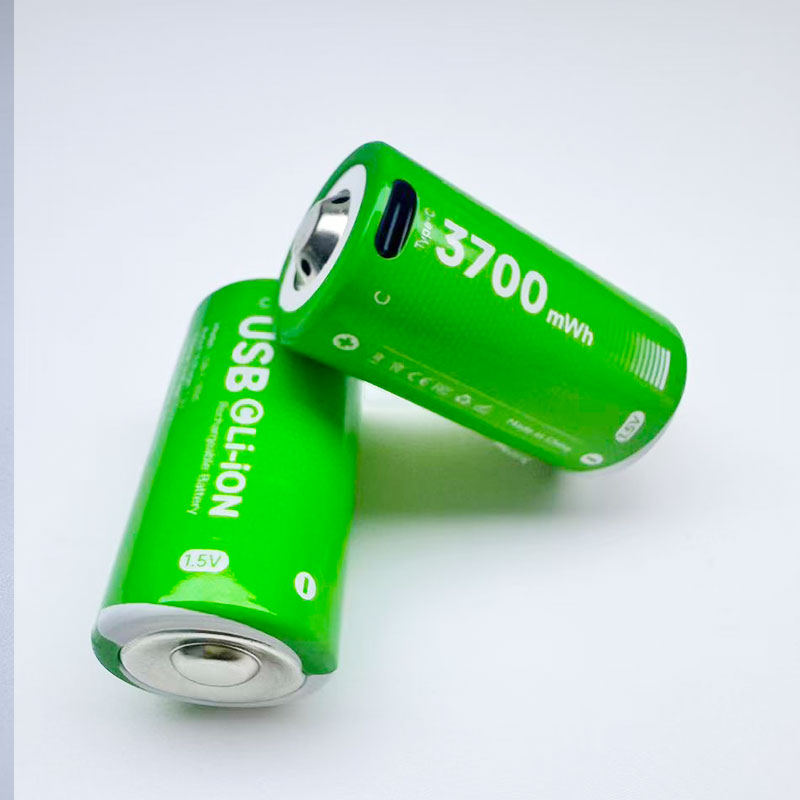
The listed rechargeable lithium C batteries provide a rated energy of three thousand seven hundred milliwatt-hours. They also specify one point five volts output and a four-in-one USB-C charging cable. These features may suit compatible devices requiring C-size batteries.
Which Specifications Should OEM Buyers Compare?
First, confirm voltage compatibility with the intended device. Next, evaluate energy capacity alongside expected discharge conditions. Additionally, check battery dimensions and terminal design before approving samples.
Rated energy alone cannot predict runtime in every application. Instead, compare test results under conditions that reflect actual device usage. This approach helps buyers select rechargeable batteries for OEM orders with suitable performance and commercial value.

How Can Buyers Verify Battery Quality and Cycle Life?
Inconsistent quality can complicate inventory planning and after-sales support. Therefore, a reliable rechargeable battery manufacturer should maintain clear inspection procedures. Buyers should also request evidence supporting important product claims.
The listed C-cell model specifies more than one thousand three hundred charging cycles. However, buyers should confirm the test conditions and remaining capacity at the endpoint. These details help clarify the claim’s practical meaning.
What Quality Records Should a Factory Provide?
Request records covering rated energy, output voltage, charging behavior, and discharge performance. Moreover, ask how the factory checks consistency between production batches. Sample testing can help verify the agreed specifications before bulk orders proceed.
For lithium batteries, transport documentation also deserves attention. For example, UN thirty-eight point three documentation concerns transport testing. CE and RoHS address different compliance considerations. Therefore, verify that each applicable document matches the exact model and destination market.

How Can OEM Customization Improve Purchasing Value?
Wholesale buyers often need consistent branding and packaging across product lines. Meanwhile, retailers may require specific labels, package formats, or bundled accessories. Consequently, OEM rechargeable batteries should support practical customization without unnecessary production complexity.
Which Customization Options Should Buyers Request?
First, confirm whether the factory supports private-label packaging and customized artwork. Next, review label layouts, product identification, and barcode requirements. Additionally, confirm the included charging cable and package contents.
The listed product includes a four-in-one USB-C charging cable. Buyers should verify its supported charging configuration and compatibility before approval. Meanwhile, standardized packaging can simplify warehousing and retail presentation.
Explore Rechargeable Battery Products to review available configurations and OEM options.
How Do You Evaluate a Reliable OEM Battery Supplier?
A competitive quotation should explain specifications, quality checks, packaging costs, and order requirements. Furthermore, transparent communication helps buyers manage revisions and repeat production. Therefore, assess the factory’s engineering support alongside its pricing.
Which Manufacturing Processes Support Consistent Orders?
Ask the supplier to document approved specifications and inspection checkpoints. Then, establish a sample approval process before mass production. For repeat orders, compare production records against the approved sample.
A capable OEM battery supplier should also clarify production lead times and customization limits. Moreover, clear responsibility for testing and documentation can simplify procurement. These practices help B2B customers balance product quality with long-term purchasing efficiency.
Rechargeable Battery Specifications and OEM Evaluation
| Evaluation item | Listed C-cell product | What buyers should verify |
|---|---|---|
| Rated energy | Three thousand seven hundred milliwatt-hours | Model-specific test results |
| Output voltage | One point five volts | Device compatibility and output stability |
| Charging accessory | Four-in-one USB-C cable | Supported charging configuration |
| Cycle life | More than one thousand three hundred cycles claimed | Test conditions and capacity-retention endpoint |
| Compliance | Model-specific confirmation required | Applicable reports and transport documents |
| Customization | OEM packaging options to confirm | Artwork, labels, and minimum order quantity |
This table provides a starting point for supplier evaluation. Nevertheless, buyers should request supporting documents before finalizing specifications. The accompanying eighteen thousand six hundred fifty battery description represents a different configuration. Therefore, its three point six volts rating and certification claims should not automatically transfer to this C-cell product.
Read Our Technical Guide for further guidance on battery specifications, sample checks, and OEM planning.
Q&A: Choosing the Best Rechargeable Batteries for OEM Orders
Q: How can buyers choose the best rechargeable batteries for wholesale distribution?
Compare voltage, rated energy, charging requirements, cycle-life evidence, and target applications. Additionally, review packaging options and supplier quality controls before ordering.
Q: Can a factory customize rechargeable lithium C batteries for private-label brands?
Buyers can discuss branding, labels, packaging, and accessory bundles with the manufacturer. The factory should confirm available options, costs, and order quantities during quotation.
Q: How can OEM buyers maintain quality while controlling costs?
First, define essential specifications and inspection criteria. Then, approve samples and standardize packaging. These steps help reduce avoidable revisions and support repeatable purchasing.
Q: What makes a rechargeable battery supplier suitable for long-term cooperation?
Look for documented quality controls, clear technical communication, and practical customization support. Ultimately, the best rechargeable batteries come from a sourcing process that balances verified performance, consistent production, and competitive wholesale costs.