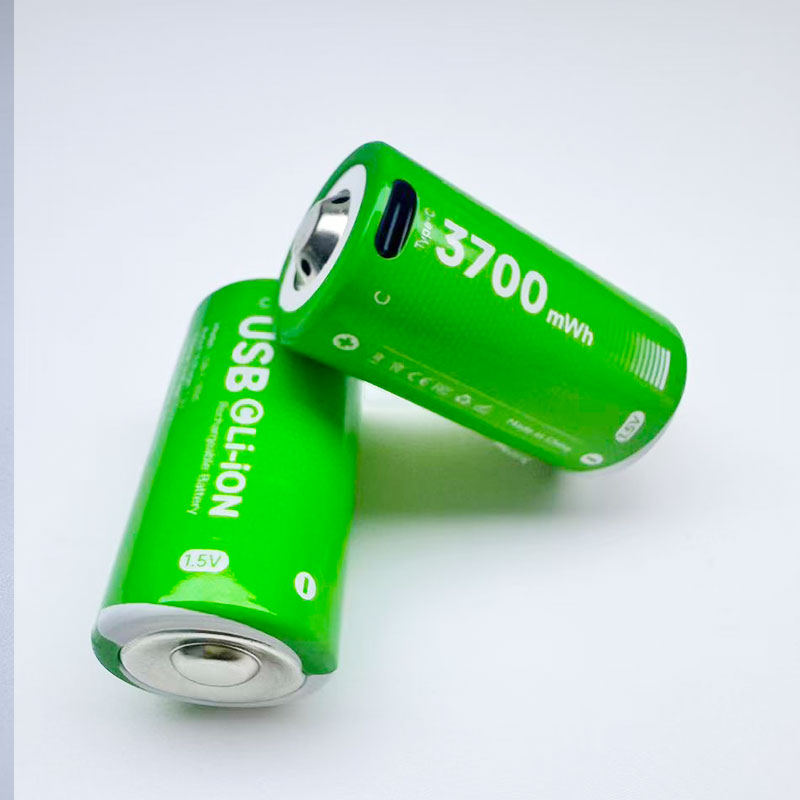


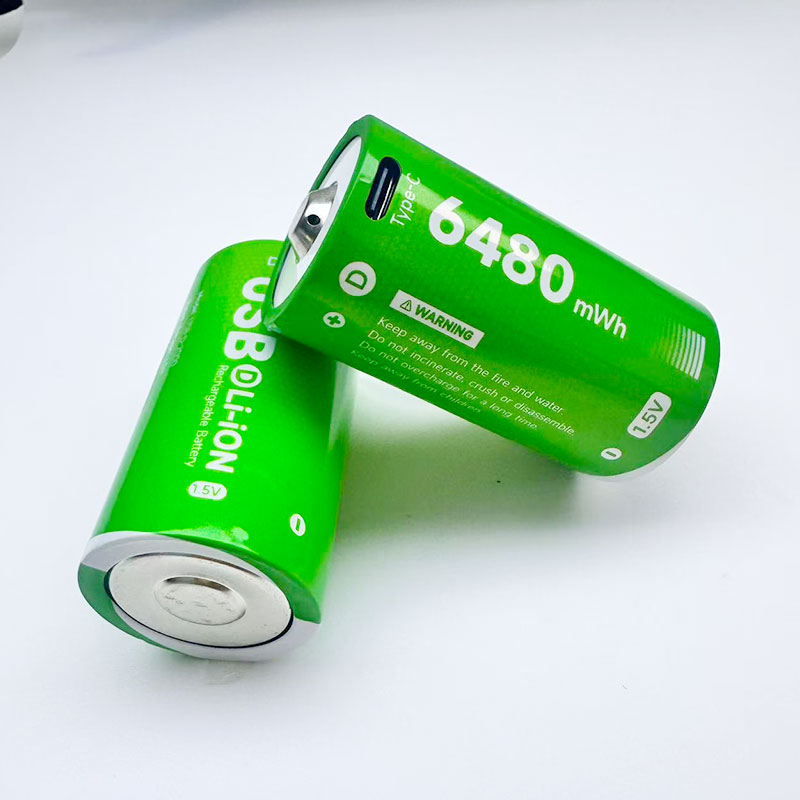
Choosing a reliable rechargeable battery factory requires more than comparing prices. Buyers must assess product consistency, manufacturing controls, customization, and documentation. For example, rechargeable lithium D batteries combine portable power with convenient USB-C charging. Therefore, B2B buyers need suppliers that balance quality, practical performance, and production costs.

How Can a Rechargeable Battery Factory Ensure Consistent Quality?
For wholesalers, inconsistent battery performance can affect customer satisfaction and repeat orders. Meanwhile, different production batches may introduce variations in capacity, output, or charging behavior. A dependable rechargeable battery manufacturer should define inspection procedures before bulk production.
Which Tests Should Buyers Request?
First, request reports covering rated energy, output voltage, charging behavior, and discharge performance. Then, ask how the factory checks consistency across production batches. For rechargeable lithium D cells, stable one point five volts output supports compatible devices.
Additionally, buyers should examine sample results before approving large orders. A documented inspection plan makes supplier performance easier to evaluate. Consequently, quality control becomes part of the purchasing decision rather than an afterthought.
How Should Buyers Verify Battery Life and Safety?
Long service life can reduce replacement frequency across suitable applications. However, cycle-life claims require clear test conditions and supporting evidence. The listed product specifies more than one thousand three hundred charging cycles. Buyers should confirm the test method and remaining capacity at the stated endpoint.
How Can Factories Validate Performance Claims?
Ask the supplier to explain charging limits, discharge conditions, and cycle-test procedures. Also, request applicable safety documentation for the exact model. Lithium batteries may require transport testing and documentation for relevant shipping routes.
For example, UN thirty-eight point three documentation concerns lithium battery transport testing. CE and RoHS documentation address different compliance considerations. Therefore, buyers should verify each document’s scope and applicability before placing OEM orders.

How Can OEM Customization Improve Wholesale Value?
B2B customers often need more than standard battery packaging. Retailers may prioritize branded presentation, while distributors value efficient bulk handling. Consequently, OEM rechargeable battery manufacturing should accommodate packaging, labeling, and order-specific requirements.
Which Customization Options Matter Most?
For this product, buyers can discuss packaging artwork, brand colors, labeling, and bundled charging accessories. The listed configuration includes a four-in-one USB-C charging cable. Therefore, buyers should confirm cable compatibility, package contents, and labeling before approving samples.
Meanwhile, a factory can help standardize product specifications across repeat orders. Clear artwork files and approved packaging samples reduce avoidable production revisions. This approach supports consistent branding while controlling development costs.
Explore Rechargeable Battery Products to review available battery solutions and OEM options.

How Can Buyers Compare Specifications and Factory Capabilities?
A competitive quotation should explain the supplied configuration, inspection scope, and customization costs. Moreover, buyers should compare equivalent specifications rather than selecting the lowest quotation. Packaging requirements, testing arrangements, order quantities, and shipping documentation can all influence total purchasing costs.
Which Specifications Require Particular Attention?
The supplied product listing identifies a lithium D cell rated at six thousand four hundred eighty milliwatt-hours. It also specifies one point five volts output and a USB-C charging cable.
However, the accompanying product description separately mentions an eighteen thousand six hundred fifty format cell. That description lists three point six volts, two thousand milliamp-hours, and more than three hundred cycles. These details describe a different battery configuration and should not automatically apply to the D cell.
Therefore, buyers should confirm the exact model and its supporting specifications before production. This simple step helps prevent quotation errors and unsuitable documentation.
| Evaluation item | Listed D-cell configuration | What OEM buyers should verify |
|---|---|---|
| Energy rating | Six thousand four hundred eighty milliwatt-hours | Rated-energy test report |
| Output voltage | One point five volts | Output stability and device compatibility |
| Charging accessories | Four-in-one USB-C cable | Cable configuration and charging compatibility |
| Cycle life | More than one thousand three hundred cycles claimed | Test conditions and capacity-retention endpoint |
| Compliance documents | Confirmation required for this model | Applicable reports and transport documentation |
| Branding options | OEM packaging customization available | Artwork, labeling, and minimum order quantity |
These checks help buyers compare suppliers using consistent criteria. Furthermore, clear specifications support accurate quotations and more predictable production planning.
Read Our Technical Guide for additional information about battery specifications and OEM evaluation.
Q&A: Working with a Rechargeable Battery Factory
Q: What information should buyers provide for an OEM quotation?
Provide target specifications, estimated order volume, packaging requirements, and intended applications. Additionally, share branding files and any required compliance documents.
Q: Can the factory customize rechargeable battery packaging?
Yes, buyers can discuss private-label artwork, packaging styles, and bundled accessories. The factory can evaluate these requirements during sampling and quotation.
Q: How can wholesalers balance quality and cost?
Compare verified specifications, inspection procedures, packaging expenses, and order quantities. Moreover, approve a production sample before committing to repeat orders. This process helps balance dependable quality with competitive purchasing costs.
Q: What makes a reliable rechargeable battery factory suitable for long-term cooperation?
Look for consistent production controls, transparent documentation, responsive engineering support, and practical customization options. Ultimately, a capable rechargeable battery factory helps B2B buyers develop dependable products while managing costs across successive orders.