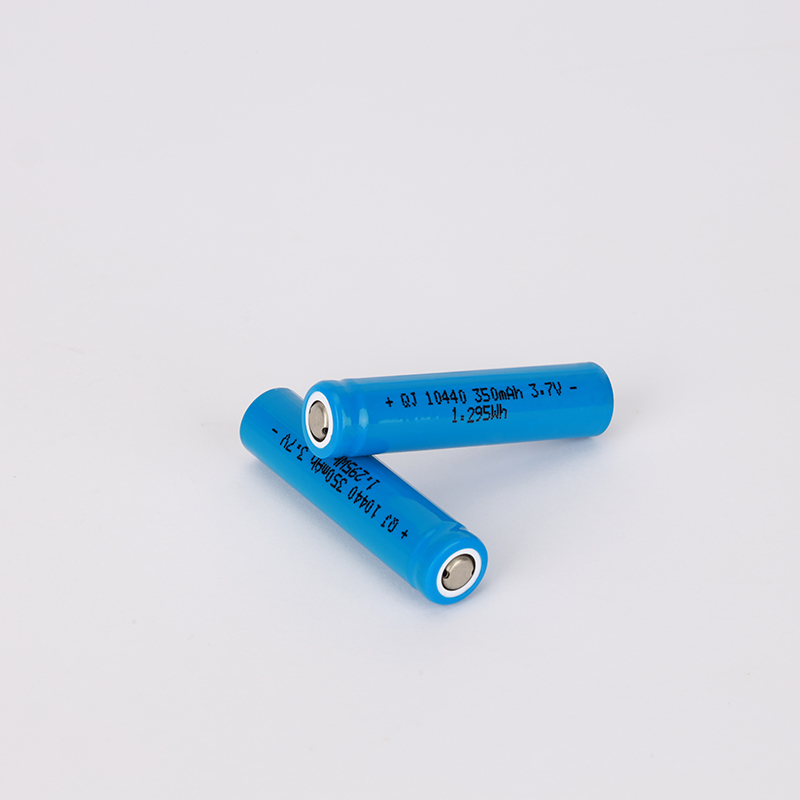



Modern portable electronics need dependable power in increasingly compact designs. Therefore, li ion rechargeable batteries play an important role in product development. These rechargeable lithium-ion power sources support wearables, wireless sensors, medical instruments, and smart devices.
However, selecting a battery involves more than checking voltage and capacity. Engineers must also consider circuit compatibility, charging methods, installation space, and production requirements. Meanwhile, manufacturers need consistent quality and competitive procurement costs.
This article explores practical integration considerations for small electronic products. It also introduces the 13310 cylindrical lithium-ion battery for OEM applications.

Why Do Compact Electronics Need Specialized Battery Designs?
Smaller electronic products create new challenges for internal component layouts. Every millimeter can influence housing design and assembly arrangements. Consequently, battery dimensions should align with the device’s mechanical structure.
How Does the 13310 Format Support Product Integration?
The 13310 battery measures 13 millimeters in diameter and 31 millimeters in length. Its compact cylindrical structure suits various space-conscious electronic designs.
With a capacity of 450 milliampere-hours, it supports devices with moderate power requirements. Its nominal voltage reaches 3.7 volts. The charging voltage can reach 4.2 volts.
Manufacturers can consider this format for smart bands, Bluetooth accessories, and wireless sensors. Additionally, its lightweight construction supports portable product development.
Before finalizing the housing, engineers should check battery placement and connection clearance. They should also confirm insulation and mechanical protection requirements.

How Can Battery Performance Support Connected Devices?
Connected electronics often operate through different power modes. For example, a wireless sensor may alternate between standby and data transmission. Meanwhile, a Bluetooth device may experience changing loads during playback.
Why Are Stable Voltage and Low Self-Discharge Important?
Stable voltage helps electronic circuits maintain consistent operation. Low self-discharge also helps preserve stored energy during standby periods.
The 13310 lithium-ion battery combines stable output with low self-discharge characteristics. This makes it a practical option for selected portable electronics.
However, actual operating time depends on device consumption. Display brightness, wireless transmission, processor activity, and standby settings all influence runtime.
Therefore, engineers should test batteries under realistic operating conditions. This process helps verify runtime expectations before mass production.
What Should Engineers Consider When Designing the Charging System?
Battery integration requires coordination between the cell and charging circuit. A compatible charging design supports dependable operation throughout regular use.
How Should the Charging Voltage Match the Battery?
The 13310 model has a nominal voltage of 3.7 volts. Its specified charging voltage reaches 4.2 volts.
Therefore, engineers should select a compatible charging management circuit. They should also confirm charging current and protection settings.
The battery includes multiple protection mechanisms. These help manage overcharge, over-discharge, and short-circuit risks. Nevertheless, the complete device still needs an appropriate protection design.
For OEM projects, battery testing should cover charging behavior and operating temperature. It should also examine performance under expected load conditions.

Which Industries Can Use Compact Li Ion Rechargeable Batteries?
Different industries have different requirements for battery integration. However, a compact rechargeable cell can support several product categories.
Wearables and Bluetooth Electronics
Smart bands and portable audio devices need compact power components. The 13310 battery offers a space-conscious format for suitable designs.
Medical and Handheld Instruments
Portable medical equipment often requires stable power and practical installation. Manufacturers should evaluate electrical compatibility and relevant product requirements.
IoT Sensors and Wireless Modules
Wireless sensors may spend extended periods in standby mode. Low self-discharge can support their power management strategy.
Furthermore, compact dimensions help simplify certain sensor housing designs. Engineers should still verify capacity against transmission frequency and operating schedules.
Electronic Toys and Backup Modules
Small electronic toys and portable backup modules may require rechargeable power. The 450 milliampere-hour capacity can suit selected low-power applications.
| Application | Main Battery Consideration | 13310 Model Reference |
|---|---|---|
| Smart wearables | Compact installation and weight | 13 by 31 millimeters |
| Bluetooth devices | Stable output and runtime | 3.7 volts, 450 milliampere-hours |
| Wireless sensors | Standby power management | Low self-discharge characteristics |
| Medical instruments | Electrical compatibility and documentation | CE, RoHS, UN38.3, MSDS |
| Electronic toys | Rechargeability and product integration | 300-cycle specification |
| Backup modules | Capacity and charging compatibility | Up to 4.2 volts charging voltage |
Browse our Rechargeable Lithium Battery Products to explore battery solutions for different electronic applications.
How Can OEM Buyers Build a More Efficient Battery Supply Plan?
Battery procurement affects product development and manufacturing schedules. Therefore, buyers should evaluate customization, documentation, and supplier coordination.
Can Battery Specifications Match Different Product Designs?
Yes. The 13310 battery supports customization options for color, connectors, and wire types. Buyers can discuss suitable dimensions and capacity requirements for specific projects.
This flexibility helps manufacturers coordinate battery integration with product enclosures. It can also simplify assembly planning across different product versions.
For larger orders, buyers should confirm sample approval and production specifications. They should also establish clear inspection requirements before mass production.
Which Quality Documents Should Buyers Review?
Reliable sourcing requires clear product documentation. The 13310 model provides CE, RoHS, UN38.3, and MSDS documentation.
These documents support compliance reviews and transportation planning. However, buyers should verify the applicable model and document scope.
The stated cycle life is 300 cycles. Actual results depend on charging methods, discharge depth, temperature, and usage patterns.
For B2B procurement, consistent specifications matter alongside competitive pricing. A suitable supplier should support technical communication and stable batch quality.
Read our Lithium Battery Technical Guide for further information about battery integration and charging considerations.
Frequently Asked Questions
Can the 13310 Battery Support Customized Connectors?
Yes. Buyers can discuss connector and wire customization. This helps align battery connections with different device structures.
Is This Battery Suitable for Continuous High-Power Operation?
The 13310 model provides 450 milliampere-hours of capacity. Its suitability depends on the device’s current demand and operating duration. Engineers should verify performance through application testing.
What Does the 300-Cycle Specification Mean?
It indicates the stated cycle life for this model. Actual cycle performance varies with charging and operating conditions. Buyers should confirm testing conditions with the supplier.
Can Manufacturers Order Batteries for OEM Projects?
Yes. Buyers can discuss customized colors and connection options. They can also confirm project quantities and technical requirements before ordering.
Power Your Next Product Development Project
Selecting suitable li ion rechargeable batteries requires coordination between engineering and procurement teams. Battery dimensions, charging compatibility, protection, and customization all influence product integration.
The 13310 cylindrical lithium-ion battery offers a compact format and practical capacity. It also provides customization options for different electronic applications.
For distributors and OEM manufacturers, consistent quality and reasonable procurement costs matter. Contact our team to discuss samples, technical specifications, and wholesale cooperation.