


Choosing the right battery li ion rechargeable affects device size, runtime, and product reliability. Small electronics need compact rechargeable lithium batteries with stable voltage and suitable capacity. Meanwhile, manufacturers must consider safety, customization, and long-term supply costs.
From smart wearables to wireless sensors, each device has different power requirements. Therefore, battery selection should match the product’s design and operating conditions. This guide explains key purchasing factors and introduces the 13310 cylindrical lithium-ion battery.

How Can You Choose a Battery for Limited Device Space?
Small devices leave little room for battery installation. However, manufacturers still need sufficient energy for daily operation. A suitable battery should balance dimensions, capacity, and weight.
Why Does Battery Size Matter?
First, measure the available battery compartment. Then check the required connector position and installation method. These details help avoid costly redesigns during production.
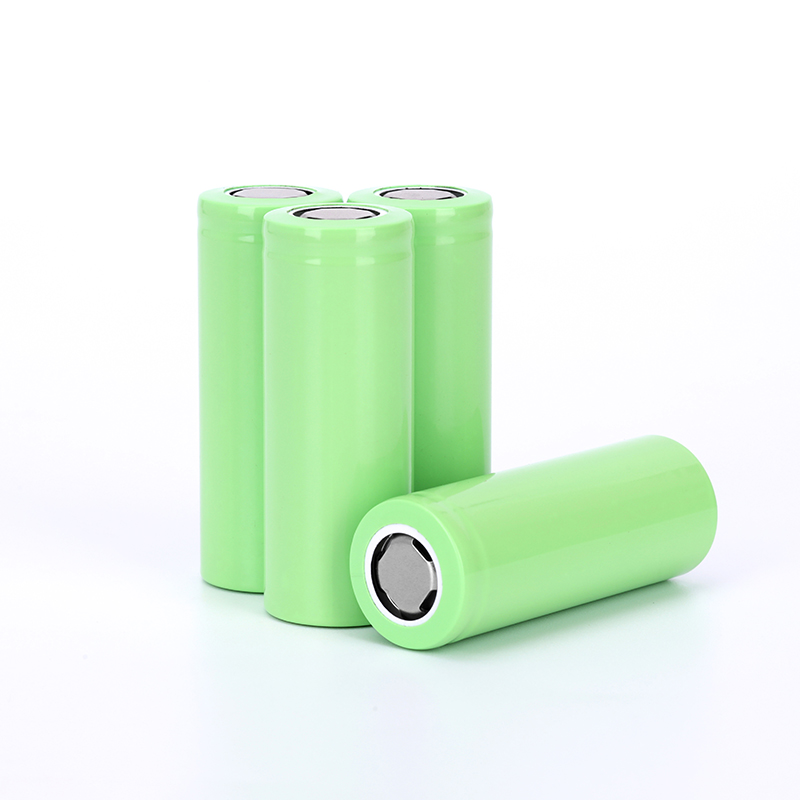
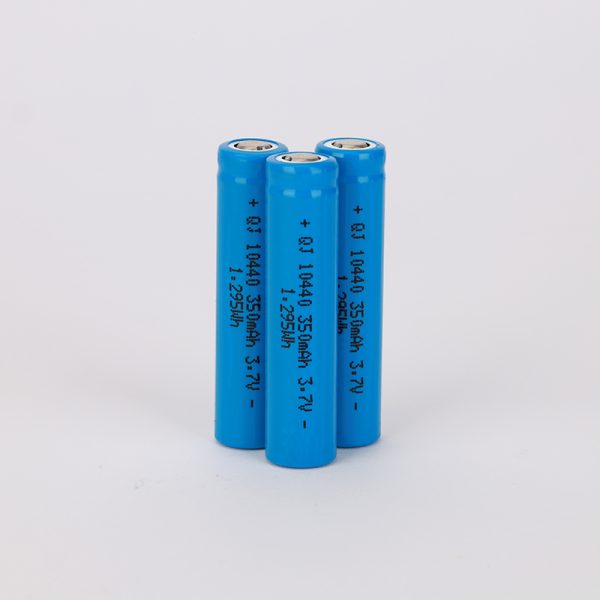
The 13310 rechargeable lithium battery features a compact cylindrical format. Its dimensions measure 13 millimeters by 31 millimeters. Meanwhile, its rated capacity reaches 450 milliampere-hours.
This design suits products with limited internal space. For example, manufacturers can consider it for smart wearables, Bluetooth devices, and wireless sensors.
Additionally, buyers can discuss customized dimensions and connector options. This flexibility helps OEM teams adapt battery configurations to different product structures.

How Do You Balance Battery Capacity and Device Runtime?
A compact battery must provide enough energy for its intended workload. However, higher capacity alone does not guarantee better performance. Actual runtime also depends on power consumption and operating patterns.
Match Battery Capacity With Power Requirements
Start by calculating the device’s average current consumption. Then estimate its daily operating hours. Finally, consider standby time and charging frequency.
The 13310 battery offers 450 milliampere-hours of capacity. Its nominal voltage is 3.7 volts, with a charging voltage up to 4.2 volts.
This configuration supports compact electronics with moderate power demands. It can also suit backup modules and portable instruments.
Moreover, stable voltage output helps electronic components operate consistently. Low self-discharge can also support devices with intermittent usage.
Therefore, manufacturers should evaluate both capacity and load conditions. This approach helps achieve a practical balance between runtime and product size.

What Safety Features Should Buyers Check?
Battery safety matters throughout manufacturing, transportation, and daily operation. Therefore, B2B buyers should review battery protection and supporting compliance documents.
Check Protection and Certification Requirements
A rechargeable lithium-ion battery should match the device’s charging and protection design. Overcharge, over-discharge, and short-circuit protection are important considerations.
The 13310 battery integrates multiple protection mechanisms. These features help manage common electrical risks when used with compatible system controls.
Furthermore, its product documentation includes several important certifications and transport-related test documents.
CE and RoHS support product compliance reviews. UN38.3 relates to lithium battery transport testing. MSDS provides important material safety information.
However, buyers should verify applicable documents for each model and shipment.
| Evaluation Item | 13310 Battery Details | Purchasing Consideration |
|---|---|---|
| Battery type | Rechargeable lithium-ion | Suitable for compact electronics |
| Model | 13310 | Supports space-conscious designs |
| Nominal voltage | 3.7 volts | Check device voltage compatibility |
| Charging voltage | Up to 4.2 volts | Match the charging circuit |
| Capacity | 450 milliampere-hours | Evaluate runtime requirements |
| Dimensions | 13 by 31 millimeters | Check installation space |
| Cycle life | 300 cycles | Consider expected usage frequency |
| Certifications and documents | CE, RoHS, UN38.3, MSDS | Support compliance and shipping reviews |
Can One Rechargeable Battery Support Different Device Designs?
Different electronic products have different connection and installation requirements. Therefore, customization can simplify product development and purchasing.
Explore Customization for OEM and ODM Projects
The 13310 battery supports customized colors, connectors, and wire types. Buyers can discuss additional size and capacity requirements for suitable project configurations.
For example, wearable manufacturers may prioritize lightweight construction. Meanwhile, medical equipment manufacturers may need specific connector arrangements.
Bluetooth equipment often requires compact power solutions. Similarly, wireless sensors benefit from suitable capacity and low standby consumption.
Consequently, early communication between battery suppliers and device engineers matters. It helps confirm electrical specifications before mass production.
Explore our Rechargeable Lithium Battery Product Range for more battery options and customized power solutions.
How Can Manufacturers Improve Battery Procurement Value?
For B2B buyers, purchasing decisions involve more than unit price. Product consistency, documentation, customization, and supply coordination also affect project costs.
Evaluate Quality and Total Procurement Costs
A suitable battery supplier should provide clear technical specifications. Additionally, buyers should review sample performance and production quality controls.
The 13310 battery combines compact construction with multiple customization options. Its 300-cycle specification provides a reference for product lifecycle planning.
However, actual cycle performance depends on charging conditions, discharge depth, temperature, and operating loads.
For manufacturers, selecting the right configuration can reduce unnecessary redesign work. It can also help simplify assembly and inventory planning.
Before bulk purchasing, consider these questions:
- Does the battery match the device’s voltage requirements?
- Can the supplier support your connector specifications?
- Are relevant certification documents available?
- Can production maintain consistent quality?
- Does the supplier support future customization?
Visit our Lithium Battery Technical Guide for practical information about battery selection and integration.
Frequently Asked Questions
Is a 3.7-Volt Lithium Battery Suitable for Wearable Devices?
Yes, it can suit many compact wearable designs. However, engineers should confirm voltage, capacity, dimensions, and charging compatibility. The 13310 model offers a compact 450 milliampere-hour configuration.
How Many Charging Cycles Does the 13310 Battery Support?
The stated cycle life is 300 cycles. Actual results depend on charging methods and operating conditions. Therefore, manufacturers should evaluate the battery within their intended device.
Can Buyers Customize the Battery Connector?
Yes, customization options include connectors and wire types. Buyers can also discuss color and other suitable specifications. Early confirmation helps streamline OEM and ODM development.
Which Documents Should Importers Request?
Buyers should review CE, RoHS, UN38.3, and MSDS documentation. They should also confirm document validity and model coverage before shipment.
Find the Right Battery for Your Next Project
Choosing a battery li ion rechargeable requires careful attention to size, capacity, safety, and customization. A suitable solution should support device performance and commercial production needs.
The 13310 cylindrical lithium-ion battery offers compact dimensions and stable power output. It also provides flexible customization for different electronic products.
For distributors and manufacturers, these features support practical product integration and procurement planning. Contact our team to discuss specifications, samples, and wholesale cooperation.
Browse our Lithium Battery Product Solutions and request a quotation for your next project.