
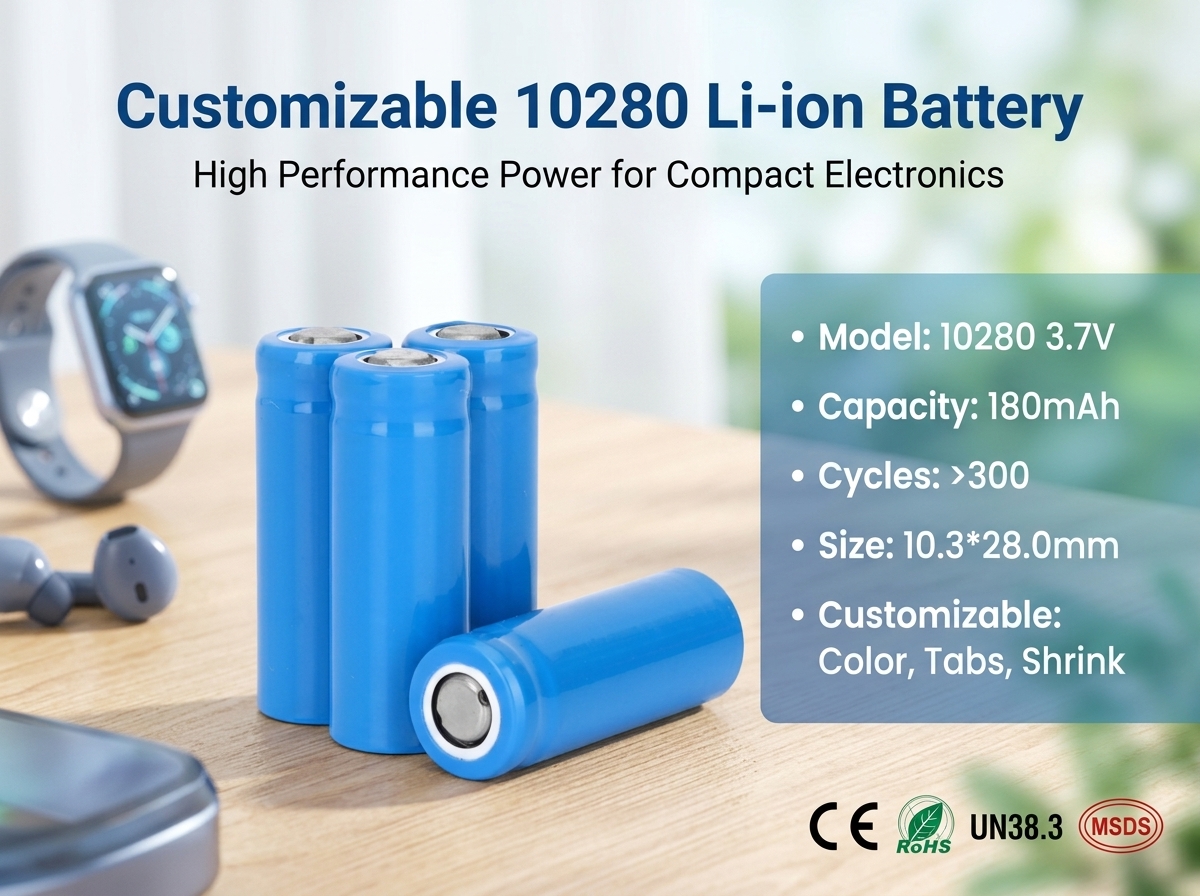
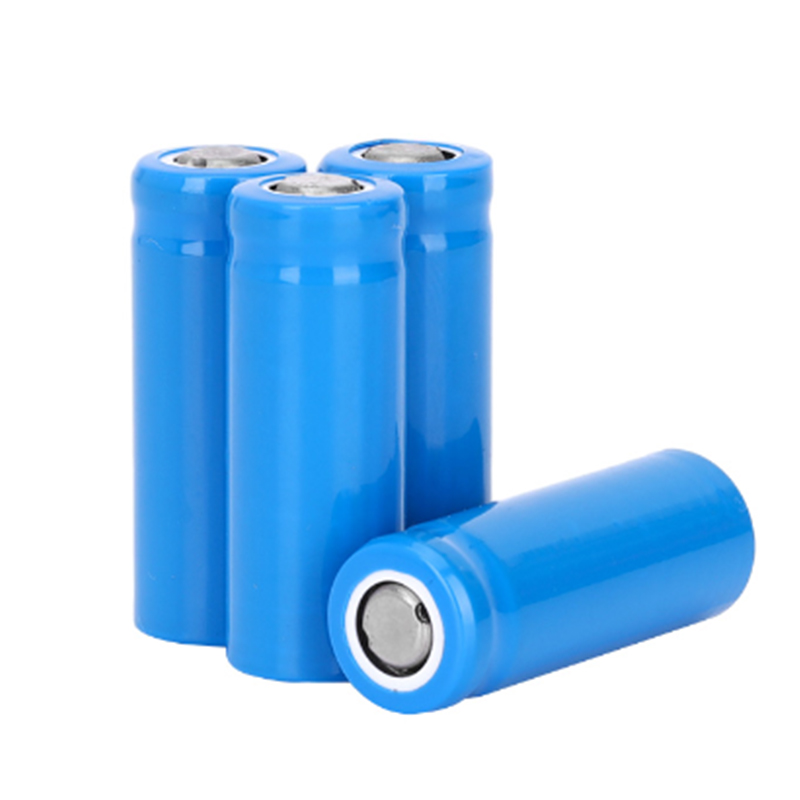
Choosing a reliable rechargeable battery manufacturer helps businesses develop compact, application-specific power solutions. For OEM projects, a suitable custom lithium battery supplier should support cell selection, dimensional adaptation, quality control, and production planning. The 10280 cylindrical lithium battery from Huizhou Qianjing New Energy offers a practical option for compact electronic devices.
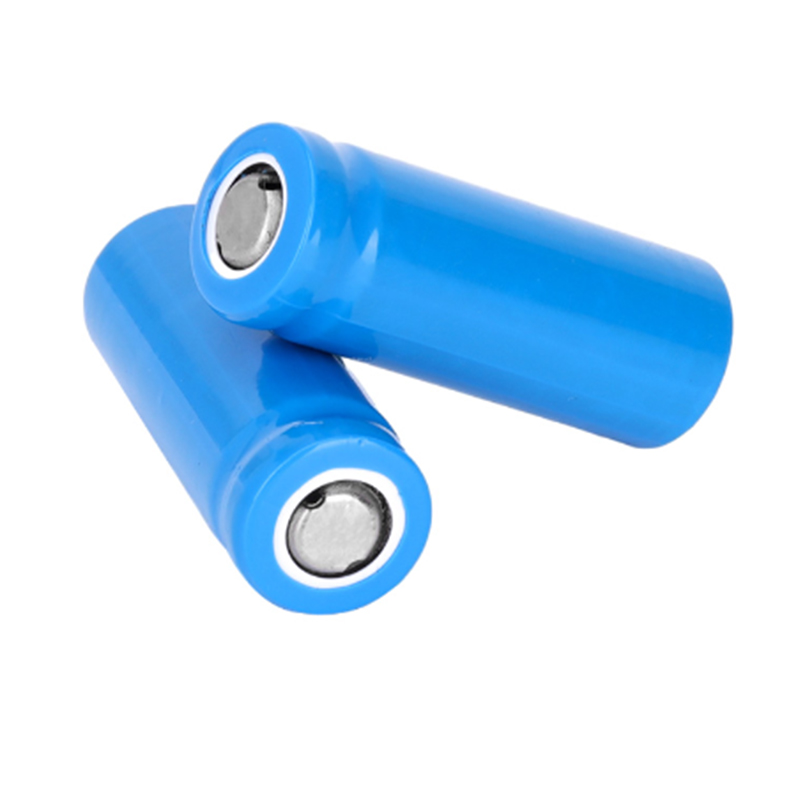
With a nominal voltage of 3.7 volts and a rated capacity of 180 milliamp-hours, this cell suits selected low-power applications. Furthermore, its compact structure supports integration into products with limited internal space.
How Can a Rechargeable Battery Manufacturer Match Different Device Requirements?
Compact electronics often leave little room for battery installation. Therefore, buyers must consider dimensions, terminal arrangements, and available internal clearance before selecting a cell. A standard specification may require adjustments to fit a particular housing.
Solution: Define Mechanical and Electrical Requirements Early
The 10280 cell measures 10.3 millimeters by 28.0 millimeters, with a stated dimensional tolerance of ±0.1 millimeters. Its compact format can suit smart wearables, electronic pens, wireless accessories, and selected Internet of Things devices.
However, engineers should confirm the actual installation space and connection method first. In addition, they should review voltage requirements, discharge characteristics, and protection circuitry at the device level.
A capable rechargeable battery manufacturer can assess these requirements before sampling. Consequently, OEM teams can identify compatibility issues earlier and reduce avoidable design revisions.
How Can Custom Lithium Battery Solutions Balance Capacity and Size?
Small devices must balance operating time, product dimensions, and power consumption. Therefore, battery selection should begin with the device’s actual load profile rather than capacity alone.
Solution: Match Cell Specifications to Application Needs
This model provides a rated capacity of 180 milliamp-hours. Its listed voltage range spans 3.7 to 4.2 volts. Meanwhile, the stated cycle life is 300 charge and discharge cycles.
These specifications provide a starting point for engineering evaluation. Nevertheless, operating time depends on current demand, duty cycle, temperature, and circuit efficiency. Buyers should also confirm the expected service life under their own test conditions.
For this reason, a custom cylindrical lithium battery manufacturer should review application requirements before recommending a configuration. This approach supports practical performance planning instead of relying on nominal capacity alone.
How Can OEM Customization Improve Battery Integration?
Different products may require different battery colors, terminal tabs, or insulation arrangements. Additionally, device housings can impose specific dimensional and assembly constraints. Consequently, OEM customization can help align the cell with the finished product.
Solution: Customize Details Without Losing Configuration Control
Huizhou Qianjing New Energy supports customized colors, tabs, and shrink-wrap options. Its engineering team can review project requirements and develop suitable proposals. However, the feasibility of each modification depends on the cell structure and safety requirements.
Moreover, buyers should document approved specifications before mass production. This record should cover dimensions, terminals, labeling, packaging, and inspection criteria.
Explore custom lithium battery products to review solutions for different equipment requirements.

How Can a Rechargeable Battery Manufacturer Maintain Consistent Quality?
Bulk buyers need consistent specifications across production batches. Therefore, they should evaluate manufacturing controls alongside price and delivery capacity. A cost-effective battery solution must also meet the device’s technical and quality requirements.
Solution: Combine Process Control With Product Verification
Huizhou Qianjing New Energy focuses on research, development, production, and sales of specialty steel-cased cylindrical lithium batteries. The company uses selected raw materials, manufacturing equipment, and quality-control procedures to support consistent production.
Furthermore, the company reports a daily production capacity of 200,000 cells. It has supplied customized battery solutions to more than 2,100 enterprises. These capabilities can support customers planning recurring orders and larger production volumes.
The product listing identifies CE, RoHS, UN 38.3, and MSDS documentation. However, buyers should verify current documents and their applicability to the exact model before shipment. They should also confirm cycle-life test conditions and acceptance criteria.
Read our battery technical guide for guidance on specification review and battery integration.
How Does Qianjing Support OEM Projects From Sampling to Production?
For B2B buyers, responsive engineering support can simplify product development. Therefore, Qianjing provides assistance from parameter adaptation through mass-production planning. Its OEM service helps customers coordinate technical specifications and product requirements.
The company reports 159 patents, including 57 invention patents. In addition, it offers customer support within eight hours and free design proposals within 24 hours. All products carry a one-year warranty, according to the supplied company information.
These services can help procurement teams evaluate project feasibility before placing larger orders. Meanwhile, agreed specifications and sample approval help maintain alignment between engineering and production teams.
For better cost efficiency, buyers should share forecast volumes, application requirements, and packaging needs early. Consequently, the manufacturer can assess a suitable configuration and prepare a more relevant quotation.
10280 Cylindrical Lithium Battery Specifications
| Parameter | Specification |
|---|---|
| Product model | 10280 |
| Battery type | Rechargeable cylindrical lithium-ion cell |
| Nominal voltage | 3.7 volts |
| Listed voltage range | 3.7 to 4.2 volts |
| Rated capacity | 180 milliamp-hours |
| Dimensions | 10.3 millimeters by 28.0 millimeters |
| Dimensional tolerance | ±0.1 millimeters, as specified |
| Listed cycle life | 300 charge and discharge cycles |
| Customization | Color, terminal tabs, and shrink wrap |
| Documentation listed | CE, RoHS, UN 38.3, and MSDS |
| Warranty | One year |
Q&A
Q1: What should buyers provide to a rechargeable battery manufacturer?
Provide the target device, installation dimensions, operating voltage, current demand, and expected runtime. Additionally, share terminal requirements and projected order quantities. These details help the manufacturer assess suitable cell configurations.
Q2: Can the 10280 battery support custom OEM designs?
Yes. Qianjing lists customizable colors, terminal tabs, and shrink wrap. However, engineers must confirm each modification’s feasibility and relevant safety requirements before approval.
Q3: How can buyers assess battery quality before bulk ordering?
First, request a representative sample and the applicable technical documents. Next, verify dimensions, capacity, voltage behavior, and the intended device’s operating conditions. Also, confirm cycle-life test methods and acceptance criteria before comparing suppliers.
Q4: Why choose Huizhou Qianjing New Energy for custom lithium batteries?
Qianjing offers OEM customization, engineering support, and high-volume production capacity. Furthermore, its stated service commitments include support within eight hours and design proposals within 24 hours. Buyers can share project requirements to request a suitable configuration and quotation.