

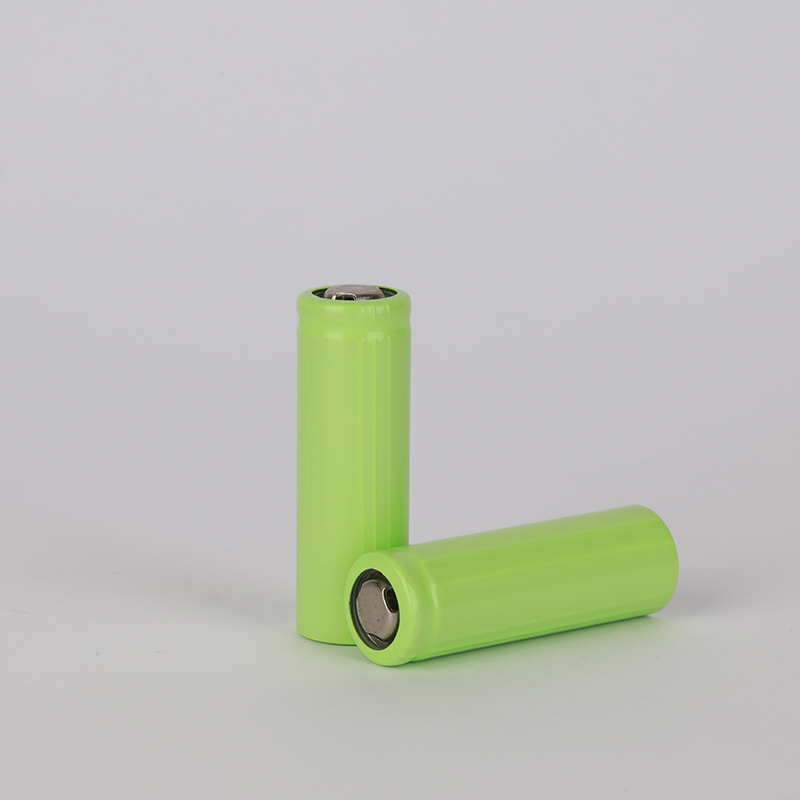
Dispositivos inteligentes modernos exigem soluções de baixo consumo de energia com alto desempenho. Engenheiros precisam de células cilíndricas confiáveis para microeletrônica.
Portanto, escolhendo uma alta capacidade 13430 bateria de lítio resolve desafios críticos de energia. Esta unidade compacta oferece densidade de energia consistente.
Além disso, conformidade total sem chumbo garante segurança durante a distribuição global. Os fabricantes constroem facilmente dispositivos verdes de acordo com diretrizes internacionais.
Consequentemente, as equipes de design reduzem as dimensões do produto e aumentam a eficiência operacional. Confira nosso linha completa de produtos de bateria de lítio cilíndrica para especificações.
Pontos problemáticos resolvidos por 13430 Tecnologia de bateria
Tempo de execução limitado em wearables compactos
Rastreadores de saúde vestíveis geralmente perdem energia em poucas horas. Células de baixa capacidade falham sob rastreamento contínuo do sensor.
Além disso, os usuários não gostam de carregar seus dispositivos várias vezes ao dia. Este problema cria pontuações baixas de satisfação do cliente.
Por isso, designers de produtos exigem maior densidade de energia por milímetro. O 13430 o formato atende exatamente a essa demanda de design.
Alta saída térmica e tensão instável
Taxas de descarga instáveis causam aquecimento severo em pequenos aparelhos. O calor excessivo danifica microprocessadores internos delicados durante o uso ativo.
Além disso, quedas de tensão degradam rapidamente a precisão da medição do sensor. Os engenheiros devem manter curvas planas de descarga de tensão sob carga.
Consequentemente, a estabilidade da energia determina a segurança do produto e a vida útil geral.
Instabilidade mecânica sob uso severo
Sensores IoT portáteis frequentemente encontram quedas e vibrações fortes. Células de bolsas baratas incham ou rompem facilmente sob estresse físico.
Além disso, curtos-circuitos internos representam graves riscos de incêndio para os consumidores. O invólucro rígido protege as camadas internas da bateria contra impactos externos.
Portanto, carcaça cilíndrica forte garante durabilidade mecânica superior ao longo do tempo.
Soluções Técnicas Oferecidas pela 13430 Célula
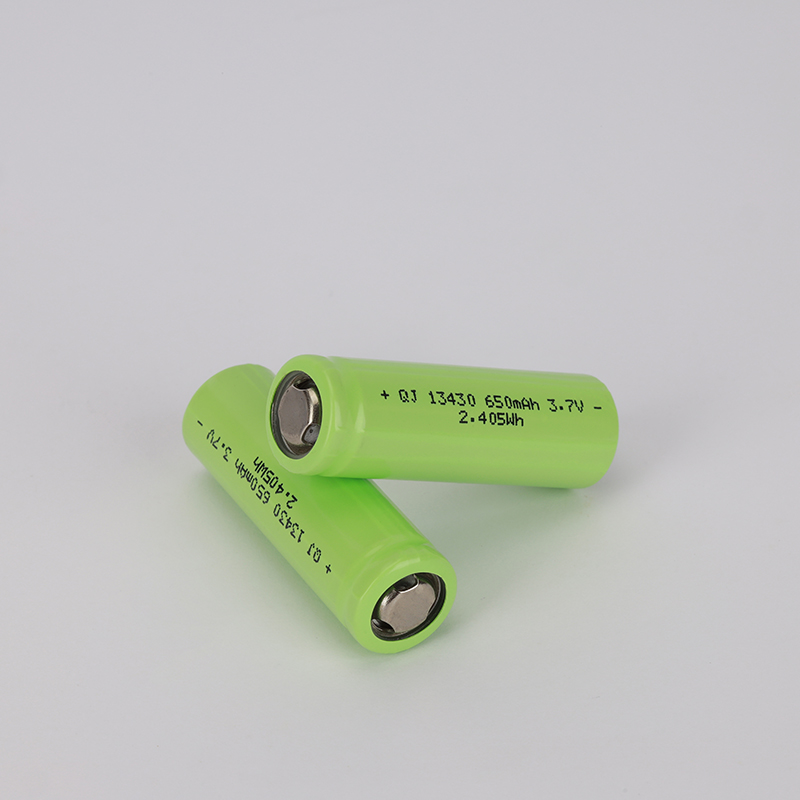
O 13430 3.7A célula V 650mAh oferece desempenho técnico incomparável. Mede 13mm de diâmetro e 30mm de comprimento.
Primeiro, a química avançada de íons de lítio garante estabilidade de ciclo de vida longo. A célula mantém alta capacidade após centenas de ciclos de descarga.
Segundo, baixas taxas de autodescarga preservam a energia armazenada durante o modo de espera. Dispositivos IoT remotos operam por longos períodos sem serviço.
Terceiro, opções personalizadas incluem conectores de fio personalizados, cores, e tamanhos. As equipes de engenharia adaptam perfeitamente a célula aos gabinetes de dispositivos proprietários.
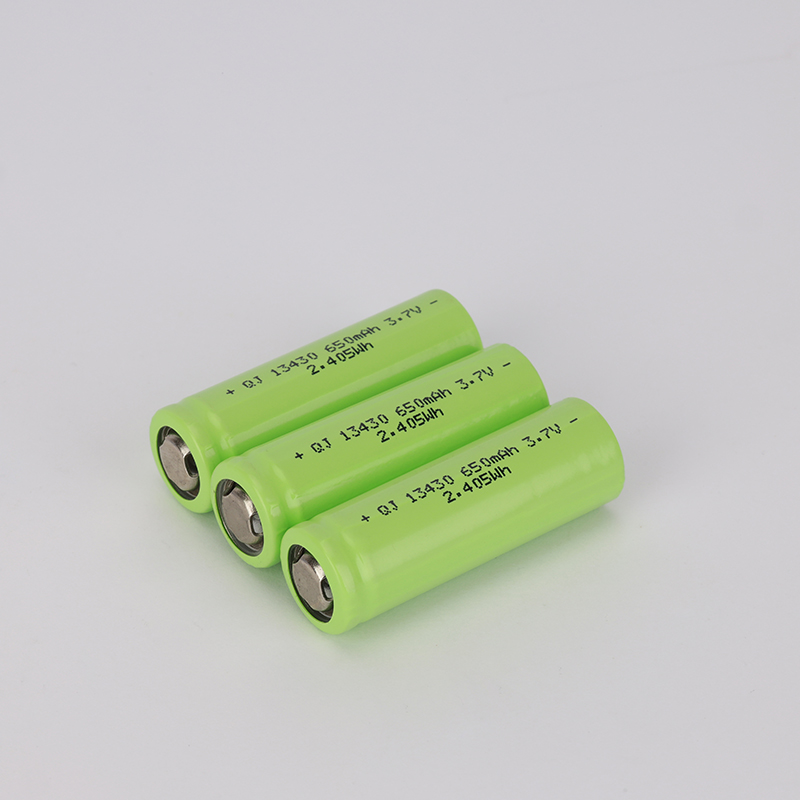
Especificações do produto e métricas de certificação
| Parâmetro de desempenho | 13430 Célula recarregável | Célula de bolsa padrão genérica | Célula tipo moeda padrão |
| Tensão Nominal | 3.7V | 3.7V | 3.0V |
| Capacidade nominal | 650mAh | 300 – 450mAh | 220mAh |
| Densidade de Energia Volumétrica | Alto (>350 Q/L) | Moderado (~280Wh/L) | Baixo |
| Material do invólucro | Cilíndrico de Aço | Folha de alumínio macia | Aço inoxidável |
| Taxa de autodescarga | <1.5% por mês | >5% por mês | Baixo |
| Certificações de segurança | CE, RoHS, ONU38.3, FISPQ | Varia | CE Básico |
Aplicações de dispositivos inteligentes do mundo real
Considere um monitor de anel de saúde inteligente como um excelente exemplo. As microbaterias tradicionais restringem o rastreamento contínuo de pulso a doze horas.
No entanto, incorporando um 13430 bateria estende o tempo de operação para dois dias completos. Os sensores coletam dados contínuos valiosos sem cortes de energia inesperados.
De forma similar, diagnósticos médicos portáteis ganham maior confiabilidade operacional em condições de campo. Profissionais de saúde registram leituras precisas sem atrasos na cobrança.
Além disso, sensores IoT industriais inteligentes se beneficiam de resiliência térmica robusta. As células funcionam de forma confiável em diversas temperaturas ambientais.
Portanto, selecionar armazenamento de energia de alta qualidade eleva o valor geral do produto.