


Dispositivos eletrônicos modernos exigem energia consistente e confiável. As células recarregáveis padrão muitas vezes não conseguem fornecer uma produção de energia ideal.
Portanto, engenheiros preferem a alta capacidade 16500 bateria de íon de lítio para equipamentos avançados. Esta célula oferece densidade de energia volumétrica superior.
Além disso, garante conformidade total sem chumbo sob rígidos padrões internacionais. Além disso, substitui facilmente baterias químicas mais antigas, como células NiMH.
Consequentemente, as equipes de design reduzem o peso do dispositivo e melhoram o tempo de execução geral. Você pode explorar nosso completo catálogo de células de energia industriais para especificações.
Falhas frustrantes de tempo de execução em dispositivos portáteis
As baterias recarregáveis AA padrão esgotam-se muito rapidamente sob cargas pesadas. Lanternas LED portáteis de alto consumo desligam prematuramente durante operações de campo críticas.
Além disso, equipamentos médicos requerem energia constante sem substituições frequentes. O rápido consumo de bateria força os técnicos a trocar as baterias continuamente.
Por isso, os custos operacionais aumentam dramaticamente ao longo do tempo. A alta resistência interna em baterias antigas também desperdiça energia vital na forma de calor.
Restrições espaciais no design moderno de hardware
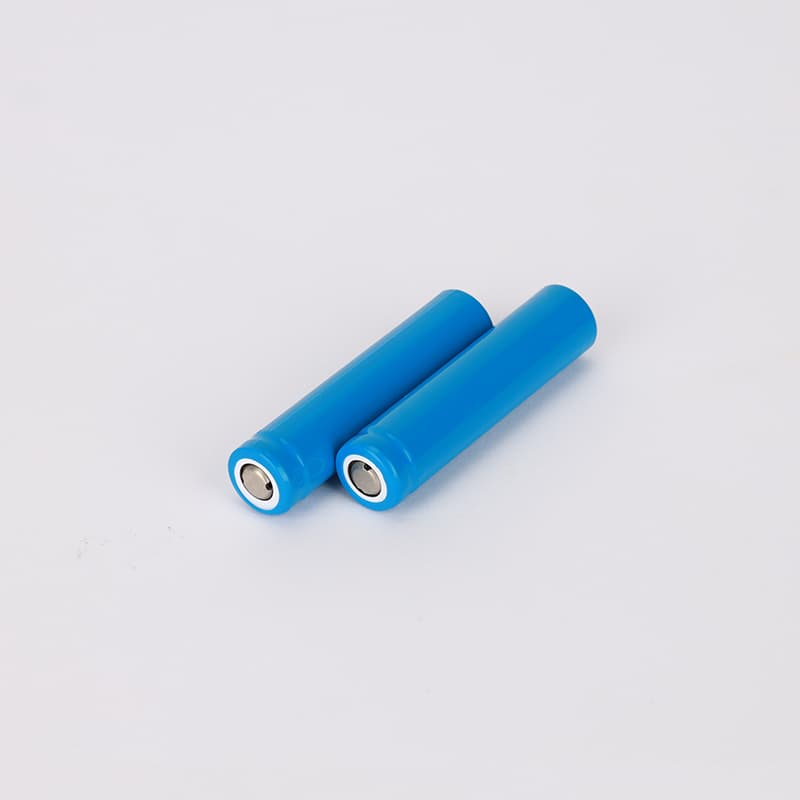
Engenheiros lutam para encaixar pacotes de energia volumosos em gabinetes eletrônicos elegantes. Padrão 18650 as células costumam ser grandes demais para dispositivos compactos modernos.
Por outro lado, 14500 as baterias não têm capacidade de descarga suficiente para componentes que consomem muita energia. Esta lacuna deixa os criadores de hardware sem uma pegada energética ideal.
Consequentemente, os designers de produtos comprometem o desempenho ou a ergonomia do dispositivo final.
Degradação frequente da bateria e custos de manutenção
Os produtos químicos recarregáveis padrão sofrem grave degradação de capacidade após um breve uso. Baterias convencionais de NiCd apresentam problemas de efeito memória.
Além disso, células básicas requerem substituição após apenas 300 ciclos de carga. Como resultado, as empresas desperdiçam dinheiro em substituições e manutenção rotineiras de baterias.
Superioridade Técnica do 16500 Célula
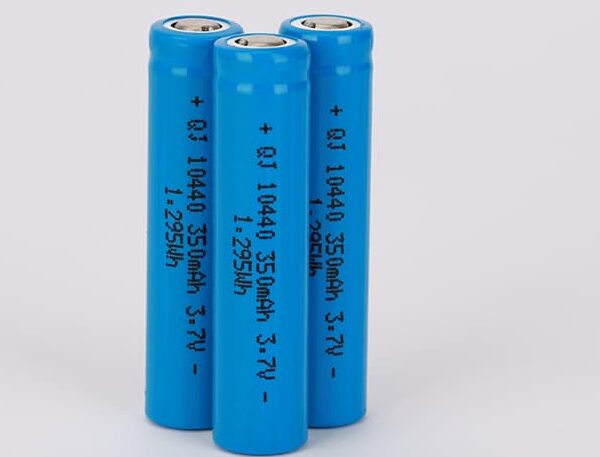
Para resolver esses desafios da indústria, o 16500 bateria de íon de lítio oferece métricas de engenharia ideais. Equilibra as dimensões físicas com alta potência.
Primeiro, a célula mede 16 mm de diâmetro e 50 mm de comprimento. No entanto, armazena até 1200mAh de capacidade de energia.
Mantém uma tensão nominal estável de 3,7 V durante a descarga. Em contraste, células alcalinas padrão caem abaixo de 1,2 V rapidamente.
Além disso, circuitos de proteção integrados inteligentes evitam sobrecargas e curtos-circuitos. Este recurso melhora drasticamente a segurança operacional.
Especificações comparativas e certificações
| Especificação / Recurso | Alta capacidade 16500 Bateria | Bateria NiMH padrão | Célula Alcalina Padrão |
| Tensão Nominal | 3.7V | 1.2V | 1.5V |
| Densidade de Energia | Alto (>200 W/kg) | Moderado (60-80 W/kg) | Baixo (100 W/kg) |
| Ciclo de vida | >500 – 1000 Ciclos | ~300 – 500 Ciclos | 1 Ciclo (Descartável) |
| Taxa de autodescarga | <2% por mês | 15-30% por mês | Muito baixo |
| Certificação de Segurança | ONU38.3, CE, RoHS, UL1642 | CE Básico | CE Básico |
Impacto no desempenho no mundo real
Considere um sistema de luz LED tático comercial como um exemplo prático. Um conjunto de baterias padrão fornece 2 horas de iluminação com brilho máximo.
No entanto, mudando para uma alta capacidade 16500 célula estende o tempo de luz operacional para 5 horas. Além disso, a luz mantém o brilho total do lúmen até o esgotamento.
De forma similar, ferramentas portáteis de diagnóstico médico operam por mais tempo sem interrupções de recarga. Essa confiabilidade economiza tempo crítico em ambientes de saúde.
Além disso, dispositivos de medição inteligentes se beneficiam de baixas taxas de autodescarga. O 16500 célula alimenta sensores remotos por anos sem falhas.
Portanto, atualizar sua fonte de alimentação garante menores despesas operacionais a longo prazo. Você pode navegar por todos os pacotes personalizados em nosso loja de soluções de baterias personalizadas.