


Modern electronic devices demand consistent and reliable power. Standard rechargeable cells often fail to deliver optimal energy output.
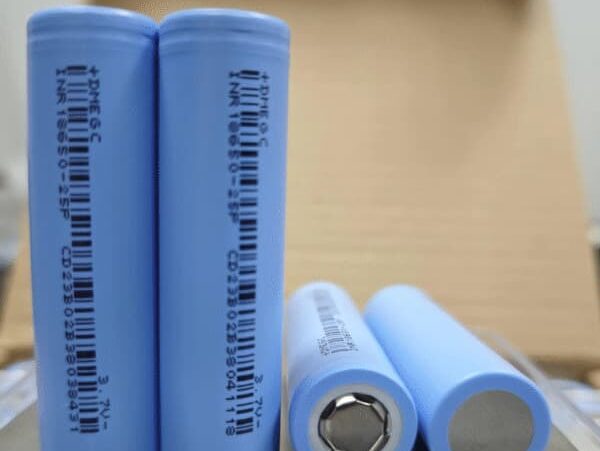
Therefore, engineers prefer the high-capacity 16500 lithium ion battery for advanced gear. This cell delivers superior volumetric energy density.
Furthermore, it ensures full lead-free compliance under strict international standards. Furthermore, it easily replaces older chemistry batteries like NiMH cells.
Consequently, design teams reduce device weight while improving overall runtimes. You can explore our complete industrial power cell catalog for specifications.
Frustrating Runtime Failures in Portable Devices
Standard AA rechargeable batteries drain far too quickly under heavy loads. High-drain handheld LED flashlights shut down prematurely during critical field operations.
Moreover, medical equipment requires constant power without frequent replacements. Rapid battery drain forces technicians to swap power packs continuously.
Thus, operational costs rise dramatically over time. High internal resistance in legacy batteries also wastes vital energy as heat.
Spatial Constraints in Modern Hardware Design
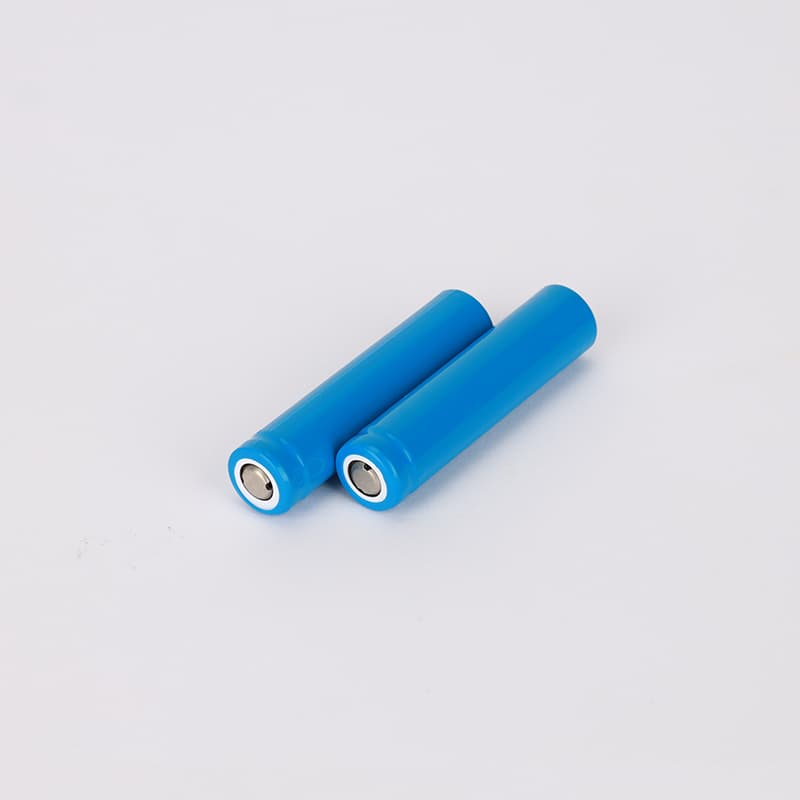
Engineers struggle to fit bulky energy packs into sleek electronic enclosures. Standard 18650 cells are often too large for modern compact devices.
Conversely, 14500 batteries lack sufficient discharge capacity for power-hungry components. This gap leaves hardware creators without an optimal energy footprint.
Consequently, product designers compromise on performance or final device ergonomics.
Frequent Battery Degradation and Maintenance Costs
Standard rechargeable chemistries suffer from severe capacity degradation after brief usage. Conventional NiCd batteries experience memory effect issues.
Furthermore, basic cells require replacement after just 300 charge cycles. As a result, businesses waste money on routine battery replacements and maintenance.
Technical Superiority of the 16500 Cell
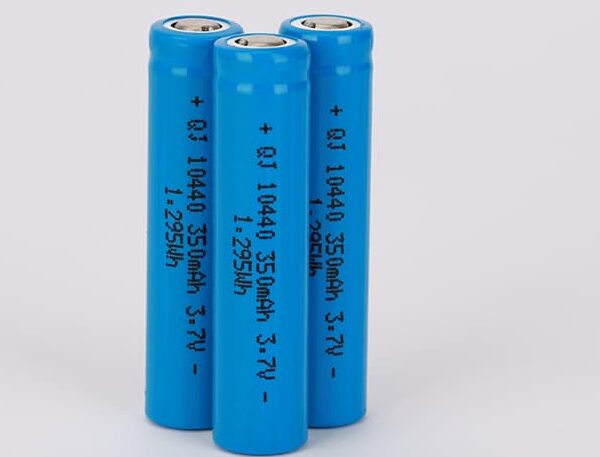
To solve these industry challenges, the 16500 lithium ion battery offers ideal engineering metrics. It balances physical dimensions with high power delivery.
First, the cell measures 16mm in diameter and 50mm in length. However, it stores up to 1200mAh of energy capacity.
It maintains a stable 3.7V nominal voltage throughout discharge. In contrast, standard alkaline cells drop below 1.2V rapidly.
Moreover, intelligent integrated protection circuits prevent overcharging and short circuits. This feature drastically improves operational safety.
Comparative Specifications and Certifications
| Specification / Feature | High-Capacity 16500 Battery | Standard NiMH Battery | Standard Alkaline Cell |
| Nominal Voltage | 3.7V | 1.2V | 1.5V |
| Energy Density | High (>200 Wh/kg) | Moderate (60-80 Wh/kg) | Low (100 Wh/kg) |
| Cycle Life | >500 – 1000 Cycles | ~300 – 500 Cycles | 1 Cycle (Disposable) |
| Self-Discharge Rate | <2% per month | 15-30% per month | Very Low |
| Safety Certification | UN38.3, CE, RoHS, UL1642 | Basic CE | Basic CE |
Real-World Performance Impact
Consider a commercial tactical LED light system as a practical example. A standard battery array provides 2 hours of illumination at peak brightness.
However, switching to a high-capacity 16500 cell extends operational light time to 5 hours. Furthermore, the light maintains full lumen brightness until depletion.
Similarly, portable medical diagnostic tools operate longer without recharging interruptions. This reliability saves critical time in healthcare environments.
In addition, smart metering devices benefit from low self-discharge rates. The 16500 cell powers remote sensors for years without failure.
Therefore, upgrading your power supply guarantees lower long-term operating expenses. You can browse all customized packs in our custom battery solutions store.